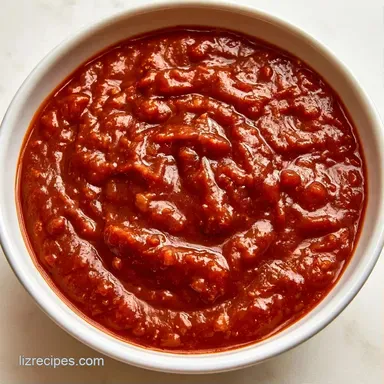
Kansas City BBQ Sauce: Rich Mahogany Glaze
- Time: 5 min active + 60 min simmer
- Flavor/Texture Hook: Deeply sweet and sticky
- Perfect for: Backyard ribs, pulled pork, or family dinner
The smell of molasses hitting a warm pan is honestly one of my favorite things in the kitchen. It starts as this thick, dark syrup and then it just opens up, filling the room with a heavy, toasted sugar aroma that tells you exactly what's happening.
I used to buy the bottled stuff, but it always tasted like corn syrup and nothing else.
Making your own is way cheaper and lets you control the heat. This recipe relies on basic pantry staples that you probably already have sitting in your cupboards. It's the kind of sauce that makes a cheap cut of meat feel like a weekend feast.
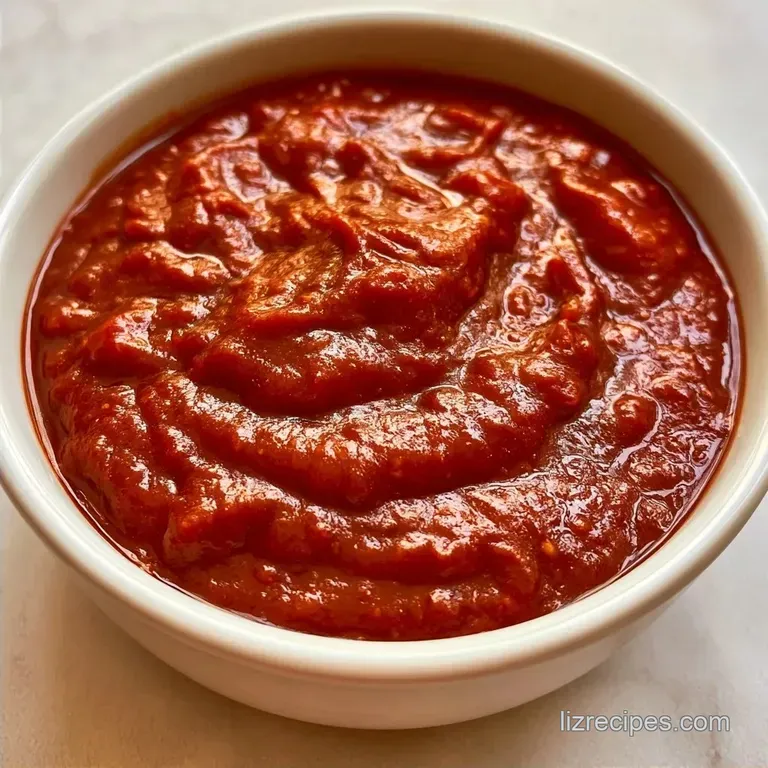
You can expect a heavy, glossy coating that clings to the meat instead of running off into the grill. This Kansas City BBQ Sauce is designed to be bold, sweet, and slightly tangy. It's a straightforward process, but the patience you put into the simmer is what actually makes it work.
Kansas City BBQ Sauce Specs
Right then, let's talk about the logistics. This isn't a "throw it in a bowl and stir" kind of sauce. While the prep is fast, you have to let the heat do the heavy lifting. Most people rush this part, but that's where you lose the depth.
The total time is 65 minutes, but you're only actively working for the first five. The rest is just keeping an eye on the pot. It's a great way to get a high end result while you're doing other things, like prepping the meat or cleaning up the kitchen.
| Method | Time | Texture | Best For |
|---|---|---|---|
| Simmered (Fresh) | 65 mins | Thick and glossy | Glazing ribs |
| Raw (Shortcut) | 5 mins | Thin and sharp | Quick dipping |
Using the simmered method allows the vinegar to mellow out. When you just mix the ingredients raw, the cider vinegar can be a bit too sharp. Simmering it for an hour blends the flavors into one cohesive, bold profile.
Shopping List Guide
The hero here is the molasses. I've tried using just brown sugar, but it lacks that dark, earthy undertone that defines the Kansas City style. Molasses adds a slight bitterness that cuts through the sugar, keeping it from tasting like candy.
If you're on a tight budget, store brand molasses works just as well as the fancy stuff.
For the acidity, apple cider vinegar is a must. It's fruitier than white vinegar, which complements the sweetness of the ketchup and molasses. If you're using a store-bought ketchup, check the label for sugar content, as some brands are already very sweet.
| Component | Purpose | Substitute Notes |
|---|---|---|
| Ketchup | Thick base and tang | Tomato paste + water: Thinner, less sweet |
| Molasses | Earthy depth and color | Honey: Sweeter, lacks the dark "funk" |
| AC Vinegar | Sharpness and balance | White vinegar: More aggressive, less fruity |
| Smoked Paprika | Wood fire aroma | Regular paprika: No smoke, milder flavor |
Make sure your brown sugar is packed tightly in the measuring cup. If you use light brown sugar, the sauce will be slightly lighter in color and a bit milder. Dark brown sugar is better for that authentic, deep mahogany look.
Necessary Kitchen Tools
You can easily do this with basic equipment. A medium saucepan is your primary piece of gear. I recommend a heavy bottomed option, such as cast iron or stainless steel, to avoid scorching the sugar with uneven heat. If your pot is thin, just keep a closer eye on your stirring.
Start with a whisk to ensure the brown sugar dissolves fully before the temperature rises, preventing sugary clumps in the final sauce. Once the mixture begins to simmer, switch to a wooden spoon or silicone spatula to scrape the bottom and stop any burning.
Store the finished sauce in glass jars. Unlike plastic, which can retain old smells or react with the acidity of the vinegar, glass is inert. A standard Mason jar works perfectly.
Cooking Steps
- Mix the ketchup, brown sugar, apple cider vinegar, and molasses in a medium saucepan. Note: Combining these ingredients cold prevents sugar clumps.
- Whisk the mixture until the brown sugar is completely dissolved and the sauce is a uniform, deep red color.
- Set the heat to medium until the sauce reaches a gentle bubble, then immediately lower the heat to low.
- Stir in the smoked paprika, garlic powder, onion powder, cayenne, salt, and pepper.
- Let the sauce simmer uncovered for 45-60 minutes, stirring occasionally.
- Continue simmering until the sauce is thick enough to coat the back of a spoon in a velvety layer.
- Remove the pan from the heat.
- Taste the sauce and adjust seasonings if you prefer more heat or tang.
- Allow the sauce to cool to room temperature.
- Pour the finished sauce into an airtight glass jar.
Flavor Logic
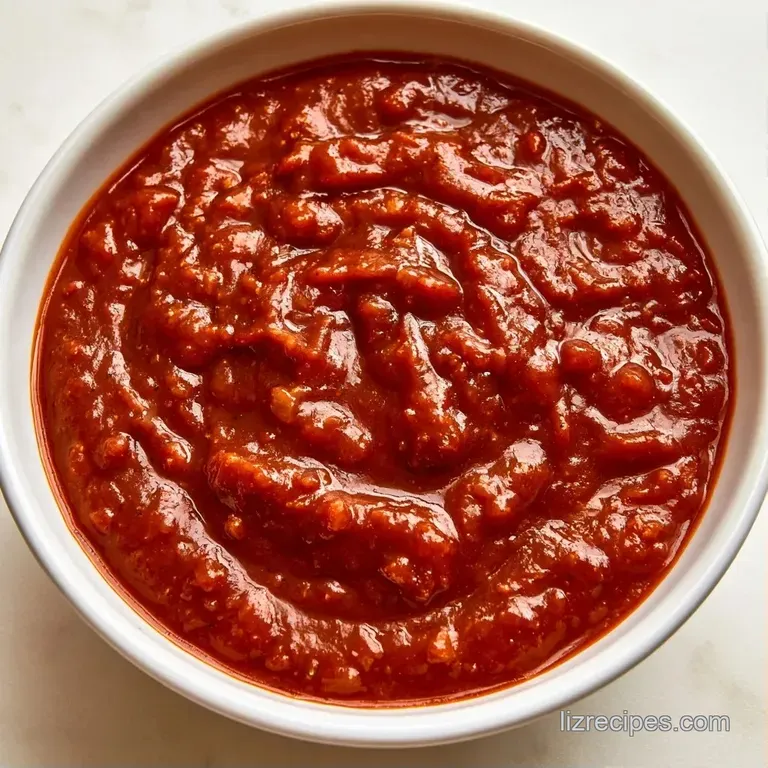
The magic happens during the evaporation process. As the sauce simmers for an hour, the water in the ketchup and vinegar disappears. This concentrates the sugars and the spices. If you're making your own Ketchup recipe, you'll notice the base is already a bit more complex, which makes the final sauce even better.
Sugar Pairing: Using both molasses and brown sugar creates layers of sweetness. Brown sugar provides the immediate hit, while molasses adds a long, slow finish.
Acid Balance: The apple cider vinegar breaks down the heaviness of the fats in the meat you'll eventually pair this. It cleanses the palate so every bite tastes as bold as the first.
Fixing Sauce Issues
Too Thin
If your sauce is still runny after 60 minutes, your heat was probably too low to trigger enough evaporation. Don't panic. Just bump the heat up to medium low and simmer for another 10 to 15 minutes. Avoid the temptation to add a cornstarch slurry.
It ruins the glossy finish and makes the sauce taste like gravy instead of BBQ.
Separation Issues
You might see a bit of oil or liquid separating on top. This usually happens if the sauce was boiled too violently. The emulsion breaks. To fix this, simply whisk it vigorously while it's still warm, or give it a quick pulse in a blender. It'll come back together quickly.
Excess Heat
If the cayenne pepper makes the sauce too spicy for your family, add a tablespoon of extra brown sugar or a splash more ketchup. The sugar and tomato solids help neutralize the capsaicin. I usually add a pinch of cayenne at a time because some brands are way more potent than others.
Storage and Waste
Keep the sauce refrigerated for up to 3 weeks. Its high concentration of vinegar and sugar acts as a natural preservative. To keep it fresh and prevent bacteria, always use a clean spoon when dipping into the jar.
Alternatively, you can freeze the sauce for up to 6 months. I suggest using plastic containers or freezer safe bags, leaving some extra space at the top as the mixture expands when frozen. Simply thaw it in the fridge overnight before serving.
When the jar is nearly empty, you can still put the leftovers to use. Add a splash of apple cider vinegar or water to the remaining bits, shake the jar, and use it as a tasty mop sauce for grilled vegetables or chicken.
Flavor Swaps
For a "Bourbon Style" version, stir in 2 tablespoons of bourbon during the last 15 minutes of simmering. The alcohol burns off, but it leaves behind a woody, vanilla note that pairs great with the molasses. If you're looking for something even faster for a weeknight, this is a great companion to a Chicken marinade.
If you want a "Honey Kick" version, swap the brown sugar for honey. Note that honey is sweeter and more liquid, so you might need to simmer the sauce for an extra 10 minutes to get the same thickness.
For a Vegan version, this recipe is already mostly plant based. The only concern is the Worcestershire sauce. Replace it with a soy sauce based alternative or a few drops of liquid smoke and a pinch of salt to keep that savory depth.
For those who love more smoke, add a teaspoon of liquid smoke or double the smoked paprika. Just be careful not to overdo it, or the sauce will start to taste like a campfire.
Serving Ideas
The classic way to use this Kansas City BBQ Sauce is as a glaze for St. Louis style ribs. I like to apply the sauce in the last 30 minutes of cooking. If you put it on too early, the high sugar content will cause it to burn and turn black before the meat is actually done.
Brush it on in thin layers, letting each layer set for a few minutes.
Another crowd pleaser is pulled pork sliders. Instead of just mixing the sauce into the meat, try drizzling it over the top of the pork and adding some pickled red onions. The acidity of the onions cuts through the richness of the pork and the sweetness of the sauce.
You can also use it as a dipping sauce for grilled corn on the cob or roasted cauliflower. The thick consistency means it stays on the vegetable rather than pooling at the bottom of the plate. For a little twist, mix a tablespoon of the sauce into some mayonnaise for a quick, zesty remoulade.
High in Sodium
935 mg 935 mg of sodium per serving (41% 41% of daily value)
The American Heart Association recommends a daily sodium limit of no more than 2,300 mg for most adults to reduce the risk of cardiovascular disease.
Tips to Reduce Sodium
-
Omit Added Salt-25%
Completely remove the 1/2 tsp of salt from the recipe; the ketchup already provides significant sodium.
-
Low-Sodium Ketchup-20%
Substitute the standard ketchup with a low-sodium or no-salt added version to lower the primary sodium source.
-
Enhance with Acid-10%
Add an extra tablespoon of apple cider vinegar or fresh lemon juice to provide a tangy brightness that mimics the taste of salt.
-
Amplify Spices
Increase the amount of smoked paprika and black pepper to add depth and heat, reducing the reliance on sodium for flavor.
Recipe FAQs
What distinguishes Kansas City style from Texas or Memphis sauces?
It relies on a thick, sweet tomato base enriched with molasses and brown sugar.
Tip: Use it as a glaze during the last few minutes of grilling to prevent the sugars from burning.
How to achieve the correct velvety consistency?
Simmer uncovered for 45 60 minutes on low heat until it coats the back of a spoon.
Tip: Stir occasionally to prevent the molasses and sugar from scorching the bottom of the pan.
Is it true that homemade BBQ sauce needs a long list of exotic spices?
Actually, no. A few staples like smoked paprika, garlic powder, and onion powder provide the classic profile.
Tip: Whisk the brown sugar thoroughly at the start to ensure a smooth, grit free texture.
Which proteins work best with this flavor profile?
This thick sauce is ideal for ribs, chicken, or a grilled flank steak.
Tip: Apply the sauce in thin layers for a professional looking lacquer.
Kansas City Bbq Sauce