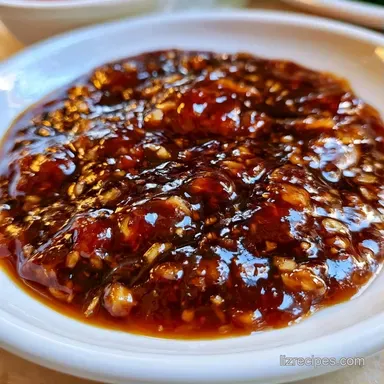
Bbq Korean Sauce: Umami Rich Glaze
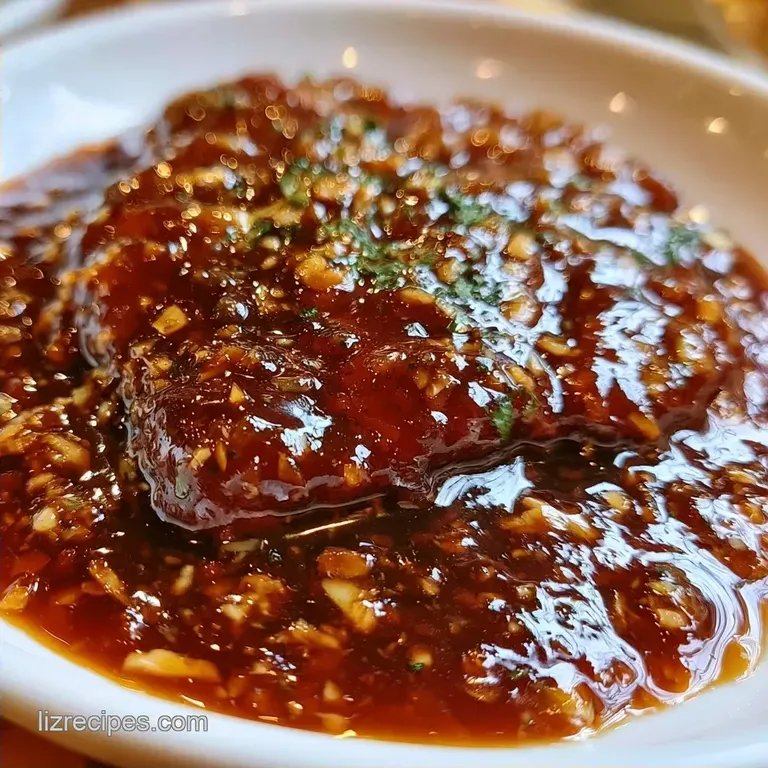
- Time: 5 min active + 10 min cooking
- Flavor/Texture Hook: Glossy, umami rich glaze
- Perfect for: Weeknight dinner, meal prep
Easy Homemade Bbq Korean Sauce
The worst part about store-bought Korean sauces is that they often taste like corn syrup with a hint of soy. I used to get frustrated when my home attempts stayed watery and just slid right off the ribs, leaving the meat bland and the plate a mess.
You need a sauce that actually grips the protein. This Bbq Korean Sauce uses a specific reduction method to ensure the sugar and paste bond, creating a lacquer that stays put during cooking.
It's a simple process that doesn't require a bunch of fancy gear. We're talking one pan and about 20 minutes total to get something that tastes like it came from a professional grill.
The Trick Behind the Texture
- Sugar Reduction: Simmering the brown sugar and soy sauce creates a natural syrup. This makes the Bbq Korean Sauce thick and glossy.
- Gochujang Base: The fermented chili paste provides body. It keeps the sauce from separating and adds a deep, earthy heat.
Recipe Specs
| Feature | Fresh Approach | Shortcut Method | Impact |
|---|---|---|---|
| Aromatics | Fresh garlic/ginger | Garlic/ginger powder | Fresh is punchier |
| Texture | Simmered reduction | Raw stir in | Simmered clings better |
| Prep Time | 5 minutes | 2 minutes | Minimal difference |
The Building Blocks
To get that deep flavor, you need a balance of salty, sweet, and spicy. The soy sauce provides the salt, while the brown sugar creates the body. Gochujang is the heart of this Bbq Korean Sauce, adding a fermented funk that you can't get from just adding chili flakes.
The rice wine vinegar cuts through the richness, and the sesame oil adds a toasted finish. If you don't have rice wine vinegar, apple cider vinegar works in a pinch, though it's a bit more aggressive.
Essential Ingredients
- 1/2 cup low sodium soy sauce Why this? Keeps the salt level manageable (Sub: Tamari for gluten-free)
- 1/2 cup brown sugar, packed Why this? Creates a glossy lacquer (Sub: Honey or maple syrup)
- 2 Tbsp rice wine vinegar Why this? Adds a bright, clean tang (Sub: Apple cider vinegar)
- 3 cloves garlic, finely minced Why this? Pungent, savory depth (Sub: 1 tsp garlic powder)
- 1 tsp fresh ginger, grated Why this? Zesty, aromatic heat (Sub: 1/2 tsp ground ginger)
- 1 Tbsp toasted sesame oil Why this? Nutty, roasted finish (Sub: Peanut oil)
- 2 Tbsp gochujang (Korean chili paste) Why this? Fermented heat and thickness (Sub: Sriracha + miso paste)
- 1 tsp black pepper Why this? Subtle woody spice (Sub: White pepper)
- 1 Tbsp water Why this? Helps dissolve the paste (Sub: Rice wine)
Equipment Needed
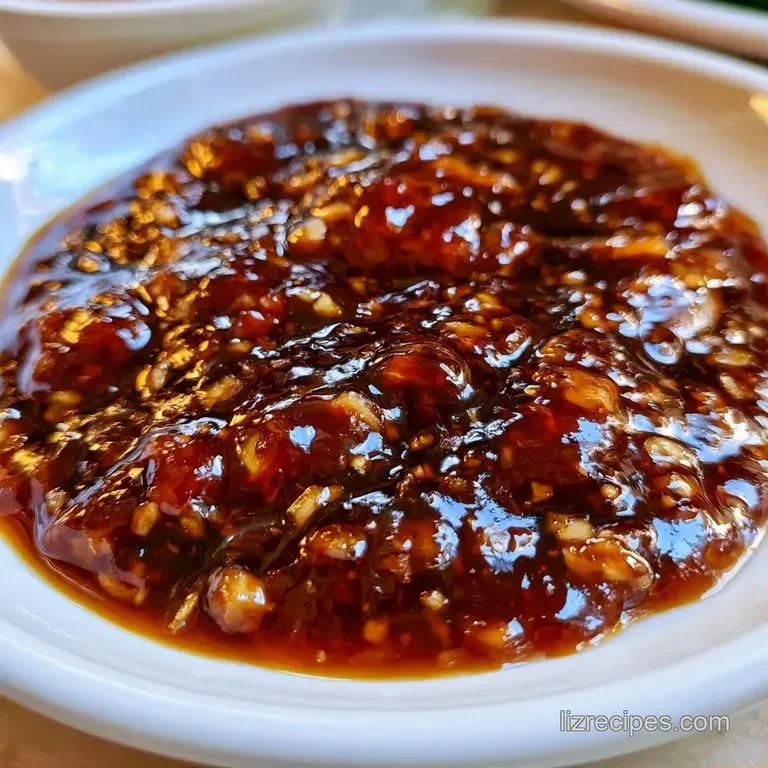
This is a straightforward process requiring only basic tools. Start with a small saucepan, ideally one with a thick base to ensure the sugar doesn't burn in the corners.
Use a whisk instead of a spoon. Because gochujang is such a thick paste, a whisk is the best way to smooth it out and prevent spicy clumps from forming in your Korean BBQ sauce.
For storage, reach for a glass jar. Glass helps maintain the flavor longer and avoids the staining that often happens with plastic when using red chili paste.
How to Make It
Phase 1: The Cold Blend
Combine the soy sauce, brown sugar, rice wine vinegar, gochujang, minced garlic, grated ginger, and black pepper in your saucepan. Whisk vigorously. Note: This ensures the gochujang is fully dissolved before heat is applied.
Phase 2: The Rapid Reduction
Place the pan over medium high heat. Bring the mixture to a gentle boil, stirring constantly. Once it reaches a boil, reduce the heat to a simmer for 3 to 5 minutes. Cook until the sauce thickens and looks mahogany and glossy.
Phase 3: The Finishing Touch
Remove the pan from the heat immediately. Stir in the toasted sesame oil. Note: Adding the oil last preserves the nutty aroma, which disappears if boiled too long. Let the Bbq Korean Sauce cool for 5 minutes before transferring it to a jar.
How to Fix Common Problems
If your sauce doesn't look right, it's usually a matter of balance. Most people struggle with the saltiness because different soy sauce brands vary wildly in concentration. You can fix this by adding a tiny bit more sweetener.
Some folks try to thicken their sauces by adding fillers, like in a ketchup based BBQ sauce, but that ruins the clean profile of this dish. For this Bbq Korean Sauce, the only way to get the right thickness is through a slow, steady simmer.
Fixing Too Much Salt
If the soy sauce is too dominant, whisk in an extra tablespoon of brown sugar or a teaspoon of honey. This neutralizes the salt without changing the flavor profile.
Fixing Thin Texture
If the sauce is too runny, simmer it for another 2 to 3 minutes. Watch it closely, as sugar can go from a glaze to a burnt mess in seconds.
Taming Strong Ginger
Too much ginger can make the sauce taste soapy. Add a pinch more brown sugar or a splash of water to dilute the intensity.
| Problem | Fix |
|---|---|
| Too salty | Add 1 Tbsp brown sugar |
| Too thin | Simmer 3 more mins |
| Too spicy | Add 1 Tbsp honey or water |
Serving Suggestions
This Bbq Korean Sauce is incredibly versatile. For the best result, use it as a glaze for short ribs or pork belly. Brush it on during the last 5 minutes of grilling so the sugar caramelizes without burning.
It also works as a Korean BBQ dipping sauce for grilled chicken or tofu. If you're using it as a dip, try thinning it with a teaspoon of warm water to make it more pourable.
For a full meal, serve your glazed protein alongside some steamed bok choy or a cold slaw. The acidity in the slaw balances the richness of the Bbq Korean Sauce.
Freezing and Reheating Guide
Keep this sauce in a sealed glass jar in the refrigerator. It stays fresh for about two weeks. Since it has a high sugar and salt content, it naturally preserves well.
You can freeze the sauce in small portions using ice cube trays. Once frozen, pop the cubes into a freezer bag. They stay good for 3 months.
To reheat, simply pop a frozen cube into a small pan over low heat. Alternatively, microwave it in 15 second bursts. Stir well to make sure the sesame oil and soy sauce have re incorporated.
Creative Twists and Swaps
For a more subtle, soy-centric flavor, my Japan BBQ sauce is a wonderful choice. It swaps the heat of gochujang for a rich, savory umami profile.
For a Mild Version
Cut the gochujang down to 1 tablespoon and stir in a teaspoon of tomato paste. This preserves the thick consistency and red color without the spicy kick.
For a gluten-free Option
Use tamari or coconut aminos instead of soy sauce. Also, check that your gochujang is certified gluten-free, as some brands use wheat flour as a thickener.
For Extra Nutty Flavor
Stir in a teaspoon of toasted sesame seeds or a dollop of peanut butter. This adds a silky texture and a layer of richness to the Bbq Korean Sauce.
For a Fruity Variation
Substitute the brown sugar with grated apple or pear. This is a common technique in Korean marinades, as the natural fruit enzymes help tenderize the meat.
Chef's Note: If using this as a marinade, set aside half the sauce. Brush the remaining portion on as a glaze during the final minutes of cooking to ensure the meat doesn't become too salty.
Recipe FAQs
What ingredients make up this Korean BBQ sauce?
It uses soy sauce, brown sugar, rice wine vinegar, gochujang, garlic, ginger, sesame oil, and black pepper. These components combine to create a savory, spicy glaze.
How does Korean BBQ sauce differ from standard American versions?
This style focuses on fermented gochujang and soy sauce for a deep umami profile. American BBQ usually relies on tomato and molasses, though you can pair this Korean glaze with smoked crab legs for a unique twist.
Can I transform regular barbecue sauce into a Korean style?
Whisk in gochujang, soy sauce, and sesame oil to the existing base. Simmer the mixture over medium-high heat until the texture becomes glossy and thick.
Is it true that a professional-grade glaze requires hours of cooking?
Surprisingly, no. This recipe reaches its mahogany color and thick consistency in just 3 to 5 minutes of simmering.
Which steps ensure the sauce clings to the meat?
Simmer the sugar and soy mixture until it reduces into a natural syrup. This creates the lacquer needed to grip the protein without sliding off.
Bbq Korean Sauce in 15 Minutes