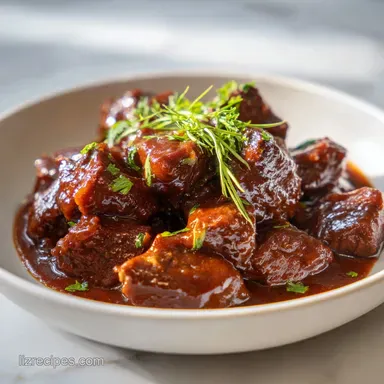
Best Homemade Beef Stew: Rich and Savory
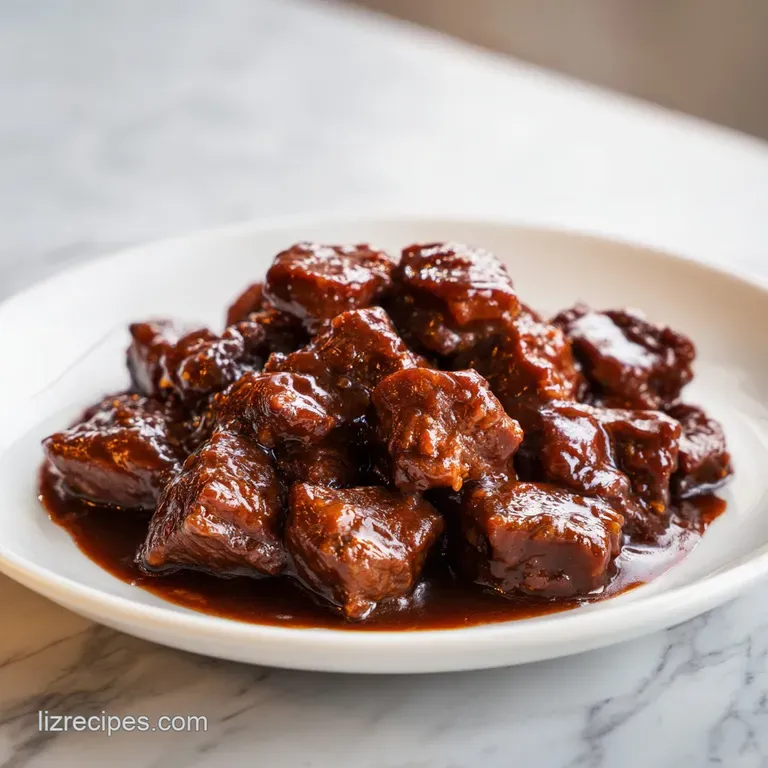
- Time:20 mins active + 2 hours 30 mins simmering = Total 2 hours 50 mins
- Flavor/Texture Hook: Mahogany crusted beef in a silky, savory gravy
- Perfect for: Cold rainy nights, meal prep, or a cozy Sunday family dinner
- Making the Best Homemade Beef Stew
- Simple Tricks for Deep Flavor
- Why These Ingredients Matter
- Essential Pot and Tools
- Step-by-Step Stew Method
- Solving Common Stew Problems
- Troubleshooting Common Issues
- Creative Twist and Variations
- Debunking Kitchen Folklore
- Saving and Reheating Stew
- Sides That Pair Well
- Recipe FAQs
- 📝 Recipe Card
Sizzle. That's the sound of the beef hitting the hot oil, and honestly, it's the most important sound in the whole kitchen. For the longest time, I thought the "secret" to a great stew was just leaving it in a slow cooker for twelve hours until everything turned into a greyish mush.
I used to think that the longer you cooked it, the better it was. I was wrong.
I remember one specific Sunday where I tried a different approach, searing the meat until it was almost too dark, and adding a splash of vinegar at the very end. The difference was wild.
The meat didn't just fall apart, it had a structure to it, and the sauce actually had a "zing" instead of just tasting like salt and brown. That's how I landed on this method for the best homemade beef stew.
You can expect a dish that's thick, hearty, and deeply savory. We're going to focus on building layers of flavor, starting with a hard sear and ending with a bright finish. This isn't about fancy techniques, just about doing the basic things right so your dinner feels like a hug in a bowl.
Making the Best Homemade Beef Stew
The biggest lie in the cooking world is that you need an expensive slow cooker or a 10 hour window to get tender meat. You really don't. The trick is all about the temperature and the cut of meat. If you use beef chuck and keep the heat low and steady, you can get that melt in-your mouth feel in a fraction of the time.
When I first started making this, I'd throw everything in the pot at once. It tasted okay, but it lacked that "restaurant" depth. By separating the searing and the simmering, we create a flavor base called "fond" - those little brown bits stuck to the bottom of the pot.
That is where the magic happens for the best homemade beef stew.
This recipe is designed for the everyday home cook. I've stripped out the complicated steps and kept the parts that actually change the taste. We're using a few pantry staples like tomato paste and Worcestershire sauce to punch up the umami, making the whole thing feel effortless but impressive.
Simple Tricks for Deep Flavor
I've spent way too much time wondering why some stews taste thin and others taste rich. It usually comes down to a few basic rules of how food behaves in a pot.
The Flavor Base: Searing the meat doesn't "seal in juices", but it creates complex flavor compounds. Those brown bits on the beef and in the pan are what make the gravy taste savory instead of just like salty water.
Tenderizing Process: Beef chuck is full of connective tissue. When we simmer it slowly, that tough stuff turns into gelatin, which gives the meat a velvety feel and naturally thickens the sauce.
Acidity Balance: A heavy stew can feel "muddy" or too rich. Adding balsamic vinegar at the end acts like a volume knob for the other flavors, cutting through the fat and making the beef taste "beefier".
Starch Control: Using Yukon Gold potatoes is a specific choice. They hold their shape better than Russets but still release enough starch to help the sauce cling to the meat, ensuring every bite is coated.
| Method | Time | Texture | Best For |
|---|---|---|---|
| Classic Stove | 2 hours 50 mins | Silky & Structured | Sunday dinner |
| Slow Cooker | 8 hours | Very Soft/Falling apart | Busy workdays |
| Instant Pot | 1 hour 15 mins | Tender & Quick | Last minute guests |
Why These Ingredients Matter
I don't believe in using ingredients "just because." Every single thing in this pot has a job to do. If you take one out, the balance shifts.
| Ingredient | Science Role | Pro Secret |
|---|---|---|
| Beef Chuck | Collagen source | Cut into 1.5 inch cubes for even cooking |
| Red Wine | Acidity & Depth | Use a dry wine; avoid sweet versions |
| Tomato Paste | Umami booster | Sauté it until it turns dark red |
| Balsamic Vinegar | Flavor brightener | Always add at the very end |
Essential Pot and Tools
You don't need a professional kitchen, but a few specific tools make this way easier. A heavy bottomed Dutch oven is my go to because it distributes heat evenly and can go from the stove to the oven if you're feeling fancy.
If you don't have one, a large heavy pot with a tight fitting lid works too. You'll also want a sturdy wooden spoon for scraping the bottom of the pot - that's where the gold is. For the beef, a sharp chef's knife is non negotiable; you want clean cuts so the meat doesn't shred during the sear.
I usually use a simple stainless steel or enameled cast iron pot. Just avoid thin aluminum pots if you can, as they tend to create hot spots that can burn your tomato paste before the onions are even soft.
Step-by-step Stew Method
Right then, let's crack on. This is a plan based flow, so we'll move from the heavy searing to the slow simmer and finish with the fresh additions.
Phase 1: Building the Foundation
- Toss the beef cubes (900g) in 1 tsp kosher salt, 1/2 tsp coarse black pepper, and 1/4 cup all purpose flour until lightly coated. Note: The flour helps the meat brown and thickens the stew later.
- Heat 3 tbsp vegetable oil in a Dutch oven over medium high heat. Sear the beef in batches until a dark mahogany crust forms on all sides; remove and set aside. Note: Don't crowd the pan or the meat will steam instead of sear.
- Lower heat to medium, add 2 tbsp unsalted butter, and sauté 1 diced yellow onion, 4 sliced carrots, and 2 sliced celery stalks until onions are translucent.
- Stir in 3 minced cloves of garlic and 2 tbsp tomato paste, cooking for 1-2 minutes until the paste smells fragrant and darkens.
Phase 2: The Low and Slow Simmer
- Deglaze the pot with 1 cup dry red wine and 1 tbsp Worcestershire sauce, scraping the brown bits (fond) from the bottom with your spoon. Note: This is where all the deep flavor is unlocked.
- Return the seared beef to the pot and add 4 cups low sodium beef broth, 2 bay leaves, and 1 tsp dried thyme.
- Cover and simmer on low heat for approximately 2 hours until the beef is tender when pierced with a fork.
Phase 3: The Final Texture
- Add 1 lb (450g) Yukon Gold potato chunks and continue simmering until potatoes are tender and fork tender.
- Stir in 1 cup frozen peas and 1 tbsp balsamic vinegar just before serving to brighten the flavor.
Chef's Note: If you're in a rush and want a different vibe, you could try an Instant Pot Goulash for a faster, slightly different take on beefy comfort.
Solving Common Stew Problems
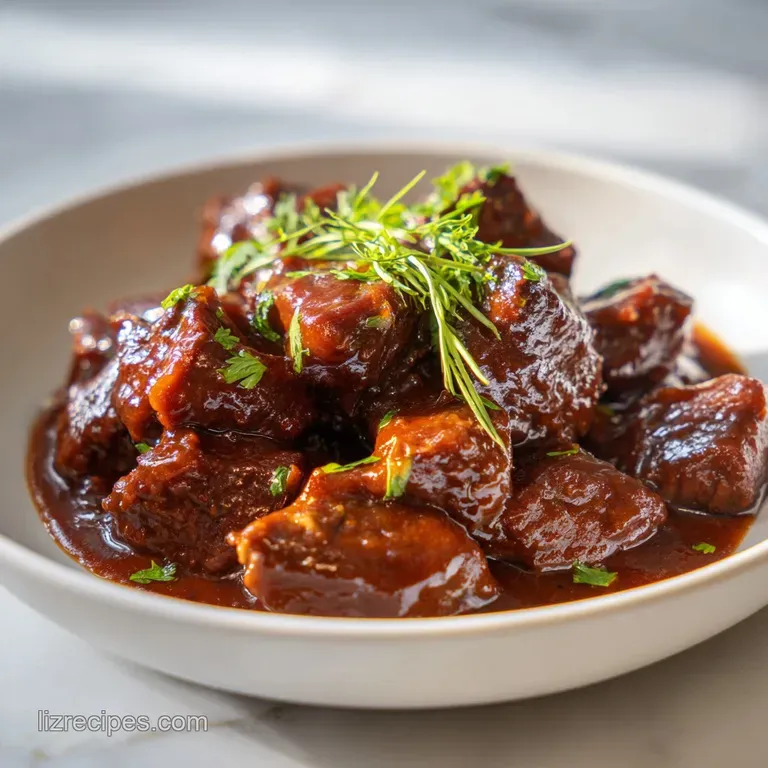
Even the best homemade beef stew can go sideways if the heat is too high or the timing is off. Most of these issues are easy fixes if you catch them early.
Troubleshooting Common Issues
| Issue | Solution |
|---|---|
| Why Your Stew is Too Thin | Usually, this happens if the beef wasn't seared well or if you added too much broth. The sauce should be velvety, not watery. If it looks like soup, you can simmer it uncovered for the last 20 minutes |
| Why Your Beef is Still Tough | This is almost always a temperature issue. If the stew is bubbling too violently, the meat fibers tighten up and get rubbery. The liquid should barely shimmer. If it's still tough after 2 hours, just |
| Why Your Vegetables are Mushy | This happens when you add the potatoes and carrots too early. I add the potatoes toward the end for this reason. If you prefer your carrots softer, add them with the meat, but for a structured stew, k |
Common Mistakes Checklist
- ✓ Don't crowd the pan during searing - work in batches!
- ✓ Don't skip the deglazing step with the wine.
- ✓ Don't boil the stew - a gentle simmer is key for tenderness.
- ✓ Don't add the peas too early or they'll turn olive brown.
- ✓ Don't use "stew meat" packs if you can avoid it - buy a whole chuck roast and cut it yourself.
Creative Twist and Variations
One of the best things about the best homemade beef stew is how flexible it is. You can lean into different flavor profiles depending on what's in your pantry.
For a Deeper Umami Base: Try adding a teaspoon of soy sauce or a pinch of cocoa powder. It sounds weird, but the cocoa doesn't make it taste like chocolate; it just adds a dark, earthy richness that complements the beef.
For the Time Crunched: If you really can't spare 2 hours, you can use a pressure cooker. Just sear the meat, add everything except the peas and vinegar, and cook on high pressure for 35-45 minutes. It's not quite the same as the stove, but it's a lifesaver on Tuesdays.
For a Lighter Version: Swap the red wine for an extra cup of beef broth and a squeeze of lemon juice. You'll lose some of that pub style depth, but it feels a bit fresher. If you're craving something sweet after this hearty meal, a slice of Pumpkin Crunch Cake is the perfect contrast.
Adjustment Guidelines for Batch Size
If you're cooking for a crowd or just for yourself, you can't always just double everything. Here is how I handle it:
Scaling Down (Half Batch): Use a smaller pot so the liquid doesn't evaporate too quickly. Reduce the simmering time by about 20%, as smaller chunks of meat often tenderize faster. Be careful with the salt - start with 1/2 tsp and adjust at the end.
Scaling Up (Double Batch): Don't double the oil or the butter; you only need enough to coat the pan. Increase the salt and thyme to about 1.5x instead of 2x, as these flavors can become overpowering in large volumes. Work in 3-4 batches for the sear to ensure the meat actually browns.
Baking Version: If you want to finish this in the oven, transfer the stew to a baking dish and cook at 325°F (160°C) for about 2 hours. This creates a lovely crust on top that you just can't get on the stove.
Debunking Kitchen Folklore
I've heard a lot of "rules" about stew that are actually just myths. Let's clear a few of them up so you can cook with confidence.
Myth: Searing seals in the juices. This is the biggest one. Searing doesn't create a waterproof barrier. In fact, the meat loses more moisture during the searing process. However, we do it for the flavor. The mahogany crust is all about taste, not moisture retention.
Myth: You must use a slow cooker for tender beef. As we've seen, a Dutch oven on low heat does the exact same thing. The only difference is the time you spend watching it. A stove top simmer is often faster and gives you more control over the sauce thickness.
Myth: More liquid equals more flavor. Actually, too much liquid dilutes the flavors. The best homemade beef stew has a thick, concentrated sauce. If you have too much broth, you're just making beef soup, which is a different dish entirely.
Saving and Reheating Stew
Stew is one of those rare dishes that actually tastes better the next day. The flavors have more time to meld, and the sauce thickens up naturally in the fridge.
Fridge Storage: Keep your stew in an airtight container for up to 4 days. If the sauce has become too thick (like a jelly), just add a splash of water or beef broth when you reheat it.
Freezer Guidelines: This freezes beautifully for up to 3 months. I recommend freezing it in portions. Just remember to thaw it in the fridge overnight before reheating.
Zero Waste Tips: Don't throw away those beef scraps or the onion ends. I keep a "stock bag" in my freezer. Every time I have vegetable peels or beef trimmings, they go in.
Once the bag is full, I simmer them all for 4 hours to make a free, rich beef stock for the next time I make this recipe. Also, if you have leftover stew, it makes an incredible filling for a pot pie or served over a piece of toasted sourdough.
Sides That Pair Well
While the best homemade beef stew is a full meal on its own, a few sides can take it to the next level.
The Classic Route: A thick slice of buttered crusty bread is mandatory. You need something to soak up every last drop of that velvety gravy. A sourdough baguette or a warm ciabatta works best.
The Fresh Route: Since the stew is so rich and heavy, a crisp green salad with a sharp vinaigrette (lemon and olive oil) cuts through the fat and cleanses the palate between bites.
The Comfort Route: If you're feeling truly indulgent, serve the stew over a bed of creamy mashed potatoes. I know there are already potatoes in the stew, but there's something about the double potato experience that just feels right on a winter night.
When you finally put a bowl of this on the table, you'll see why it's the best homemade beef stew you've ever had. It's not about being a pro chef; it's just about patience, a good sear, and a little bit of balsamic vinegar to wake everything up. Trust me, your family will be asking for this every single week.
Right then, get your pot ready and let's get cooking!
Recipe FAQs
What is the secret to a rich, flavorful beef stew?
Searing the beef until a dark mahogany crust forms. This process creates deep flavor through the Maillard reaction, which is then captured when you deglaze the pot with red wine.
Is beef stew safe for diabetics?
Yes, but monitor your portion size. This recipe contains Yukon Gold potatoes and carrots, which provide carbohydrates that can impact blood sugar levels.
Is beef stew beneficial for anemia?
Yes, it is a nutrient-dense option. Beef chuck is naturally rich in heme iron and protein, which are essential for building hemoglobin.
How to fix a stew that is too thin?
Simmer the pot uncovered for the last 20 minutes. This allows excess moisture to evaporate, transforming a watery broth into a velvety sauce.
Is it true that beef stew must be cooked on high heat to tenderize the meat?
No, this is a common misconception. Bubbling too violently causes meat fibers to tighten and become rubbery; the liquid should barely shimmer during the 2-hour simmer.
How to prevent the vegetables from becoming mushy?
Add the potato chunks only after the beef has simmered for 2 hours. Introducing them too early leads to overcooking and a loss of structural integrity.
How to maximize the savory depth of the broth?
Deglaze the pot with red wine and Worcestershire sauce. Scraping the brown bits, known as fond, from the bottom of the Dutch oven incorporates concentrated beef essence back into the stew.
Best Homemade Beef Stew: Silky Gravy