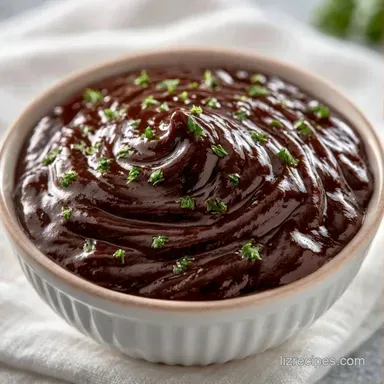
Homemade Japan Bbq Sauce: Glossy Finish
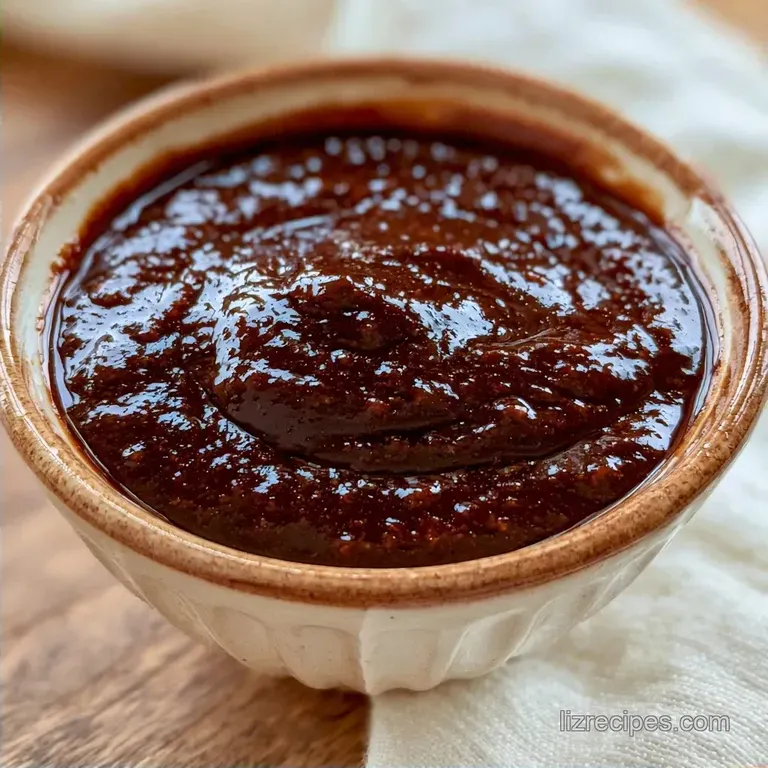
- Time: 5 min active + 15 min cooking
- Flavor/Texture Hook: Deep, glossy mahogany glaze
- Perfect for: Family grill nights or quick weekday stir fries
Quick Breakdown for Japan Bbq Sauce
That loud sizzle when cold meat hits a hot grill is the best part of any BBQ. But for years, I just used whatever bottle was on sale. Most of those store-bought glazes are basically corn syrup with a hint of soy, leaving a sticky residue that tastes more like candy than dinner.
The real hero here is the mirin. It's a sweet rice wine that provides a specific kind of luster and a balanced sweetness that brown sugar alone can't hit. When you simmer it down, the flavors tighten up and the sauce clings to the meat instead of sliding off.
I've found that making this Japan Bbq Sauce at home is faster than a trip to the store. You get a clean, sharp taste and you can control exactly how much salt goes into your food. It's a straightforward process that transforms a plain piece of chicken into something that tastes like it came from a Tokyo street stall.
What Makes This Sauce Work
Mirin Reduction: Simmering the rice wine evaporates the water and concentrates the sugars, creating a natural gloss.
Umami Synergy: Combining fermented soy with fresh garlic and ginger makes the savory profile feel deeper and more complex.
Residual Heat: Adding the sesame oil after the heat is off keeps the nutty aroma from evaporating.
| Style | Prep Time | Texture | Flavor Profile |
|---|---|---|---|
| Fast (Raw Mix) | 5 minutes | Thin/Watery | Sharp and salty |
| Classic (Reduced) | 20 minutes | Glossy/Thick | Deep and balanced |
And trust me on this, the reduction is where the magic happens. If you skip the simmer, you're just eating salty syrup.
The Ingredients You Need
| Ingredient | What It Does | Best Swap |
|---|---|---|
| Japanese Soy Sauce | Provides the salty, savory base | Tamari (for gluten-free) |
| Mirin | Adds sweetness and a glossy shine | Dry sherry + 1 tsp sugar |
| Brown Sugar | Deepens the color and adds richness | Honey or maple syrup |
| Rice Vinegar | Cuts through the fat with acidity | Apple cider vinegar |
- 1/2 cup Japanese soy sauce Why this? Lower salt than some regional varieties, better balance.
- 1/2 cup Mirin Why this? Essential for that authentic shine.
- 1/4 cup brown sugar, packed Why this? Adds a molasses note that white sugar lacks.
- 2 tbsp rice vinegar Why this? Provides a clean, mild tang.
- 1 tbsp toasted sesame oil Why this? Toasted version has way more flavor.
- 3 cloves garlic, finely minced
- 1 tsp fresh ginger, grated
- 1/2 tsp black pepper
- 1/4 tsp crushed red pepper flakes
Getting the Tools Ready
This doesn't require any specialty equipment. A small saucepan is your primary tool, I recommend a heavy-bottomed one to keep the sugar from scorching in the corners. Grab a whisk to help the sugar dissolve faster and a fine-mesh strainer.
Don't skip the straining process; it's the secret to achieving a smooth, professional glaze rather than a chunky homemade sauce.
From Mixing to Bottling
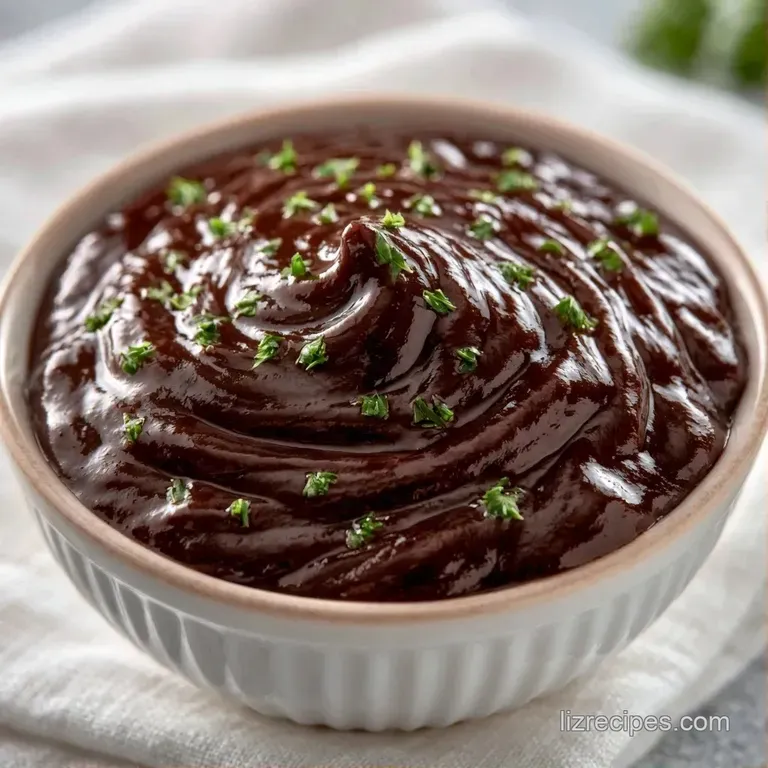
- Whisk together the soy sauce, mirin, brown sugar, rice vinegar, minced garlic, grated ginger, and black pepper in your saucepan. Note: Make sure the sugar is mostly dissolved before you turn on the heat to avoid clumps.
- Place the pan over medium heat. Bring the mixture to a gentle bubble.
- Immediately reduce the heat to low.
- Simmer for 10-12 minutes until the sauce reduces by about 25%. You'll see it turn from a light brown to a deep, glossy mahogany color.
- Remove the pan from the heat completely.
- Stir in the toasted sesame oil. Note: Adding this now preserves the volatile aromatic oils.
- Pour the sauce through a fine mesh strainer into a glass jar.
- Press the garlic and ginger solids with a spoon to extract every bit of concentrated flavor.
Solving Common Sauce Problems
If your sauce feels off, it's usually a matter of reduction time. Too much heat can make the sugar bitter, while too little heat leaves the sauce watery. If it tastes too sharp, a tiny bit more brown sugar usually fixes it.
For those who prefer a different protein, this is an easy Japan Bbq Sauce for chicken or pork. If you're looking for something even more hearty, you can use this as a glaze for a homemade beef stew during the final searing phase.
Fixing a Too Salty Taste
This happens when you reduce the sauce too far, concentrating the salt. Stir in 1 tablespoon of water or a teaspoon of honey to balance it out.
Correcting a Thin Consistency
You likely didn't simmer it long enough. Put it back on low heat for another 3-5 minutes, but watch it closely so it doesn't burn.
Managing Burnt Sugar
If the sauce smells acrid, the sugar scorched. You can't "un burn" it, so it's better to start over and keep the heat strictly on low.
| Problem | Root Cause | Solution |
|---|---|---|
| Too salty | Over reduced | Add 1 tbsp water or honey |
| Too thin | Under simmered | Simmer 3-5 mins longer |
| Bitter taste | Scorched sugar | Start over, use lower heat |
Right then, once you've got the consistency right, you're ready to use it.
Ways to Change the Flavor
For those wanting a gluten free Japanese BBQ Sauce, just swap the soy for Tamari. The result is almost identical, though Tamari is slightly richer.
For a spicy kick, double the red pepper flakes or add a teaspoon of sriracha at the very end. If you want something fruitier, replace the rice vinegar with a tablespoon of pineapple juice. It adds a tropical note that works well with shrimp.
If you're feeling adventurous, try this on some homemade smoked cod. The smokiness of the fish pairs with the sweetness of the mirin for a really interesting contrast.
- - For a thicker glaze
- simmer 3-5 minutes longer.
- - For more heat
- double the red pepper flakes.
- - For a sweeter finish
- add 1 tablespoon of honey.
| Variation | Change | Result |
|---|---|---|
| Spicy | Add 1 tsp Sriracha | Zesty heat |
| Tropical | Swap vinegar for pineapple juice | Fruity/Tangy |
| Low Sodium | Use low sodium soy sauce | Milder saltiness |
Storing Your Homemade Sauce
Pour the finished Japan Bbq Sauce into a glass jar with a tight lid. It stays fresh in the fridge for up to 2 weeks. Because of the salt and sugar content, it has a naturally long shelf life.
I don't recommend freezing it. The emulsion can break, and you might lose that silky texture once it thaws. If you have too much, just use it as a marinade for meal prep during the week.
To avoid waste, don't throw away the solids left in the strainer. The garlic and ginger are saturated with soy and mirin. Rub them directly onto your meat before grilling for an extra layer of flavor.
The Best Foods to Pair
This Japanese BBQ sauce is incredibly versatile. To keep it traditional, use it as a glaze for chicken thighs or pork belly; the sugar caramelizes on the grill, creating those charred edges that are always a hit.
It also works perfectly as a dip for spring rolls or gyoza. If you're preparing a vegetable platter, coat some cauliflower florets in the sauce and roast them at 400°F for 20 minutes.
For a simple family dinner, use this as a stir-fry base with sliced beef, carrots, and snap peas. It is a fast way to serve a meal without spending an hour on prep and measurements.
I recommend serving this sauce warm. If it has become too thick in the fridge, simply microwave it for a few seconds or stir in a teaspoon of warm water to loosen the consistency.
Recipe FAQs
What ingredients go into Japanese barbecue sauce?
This sauce combines soy sauce, mirin, brown sugar, rice vinegar, toasted sesame oil, garlic, ginger, black pepper, and red pepper flakes. These components create a balanced sweet and savory profile.
How to achieve a glossier texture?
Simmer the mixture on low for 10–12 minutes until it reduces by 25%. This process concentrates the sugars and soy for a deep, mahogany finish.
Is it true that this sauce is only made of soy sauce?
No, and here's why. It relies on mirin and brown sugar for sweetness and rice vinegar for acidity to balance the salty base.
Which proteins pair best with this glaze?
It works wonderfully on beef, pork, or seafood. If you enjoyed mastering this sweet-savory balance, see how the same principle works in these grilled salmon filets.
Japan Bbq Sauce in 20 Minutes