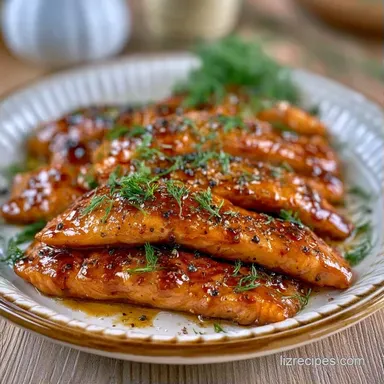
Sweet Smoked Salmon Recipe: Chewy Texture
- Time: 15 min active + 12 hr curing + 4 hr chilling + 4 hr smoking
- Flavor/Texture Hook: Sweet, tacky, and chewy
- Perfect for: Weekend brunch or gourmet appetizer platters
Ever wondered why some smoked salmon tastes almost like a dessert but stays completely savory? It's a weird, wonderful middle ground that turns a standard fish fillet into something that feels like a treat.
I remember the first time I tried these strips at a morning gathering, and I was obsessed with how they didn't flake away like a normal piece of fish. They had this grip to them, almost like a gummy candy made of seafood.
I love starting my mornings with a creative project in the kitchen, and this one is a bit of a slow burn. You can't rush it, but the wait is where the magic happens. This Sweet Smoked Salmon Recipe isn't about a quick sear or a fast bake. It's about patience and letting the ingredients do the heavy lifting over a couple of days.
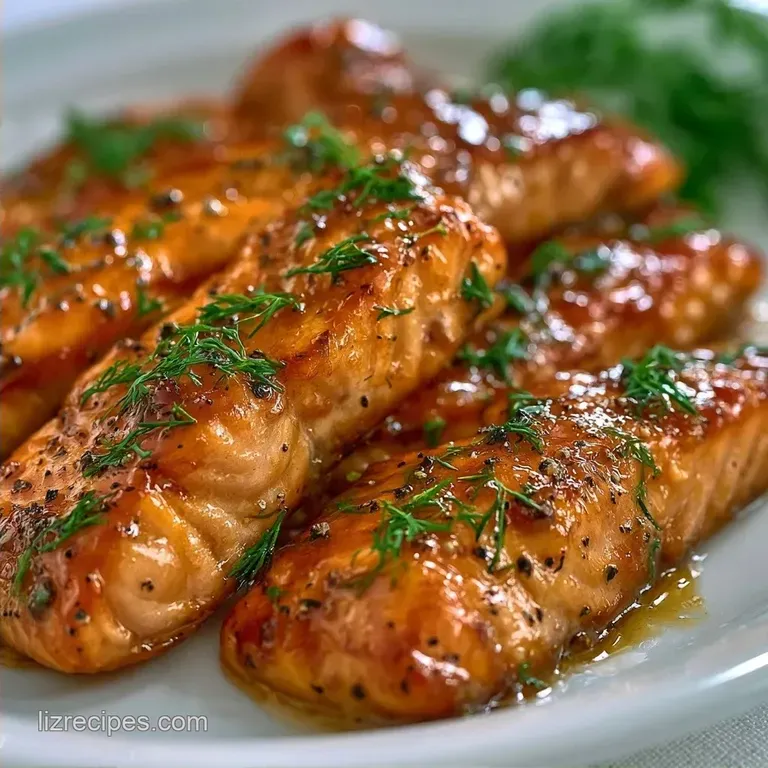
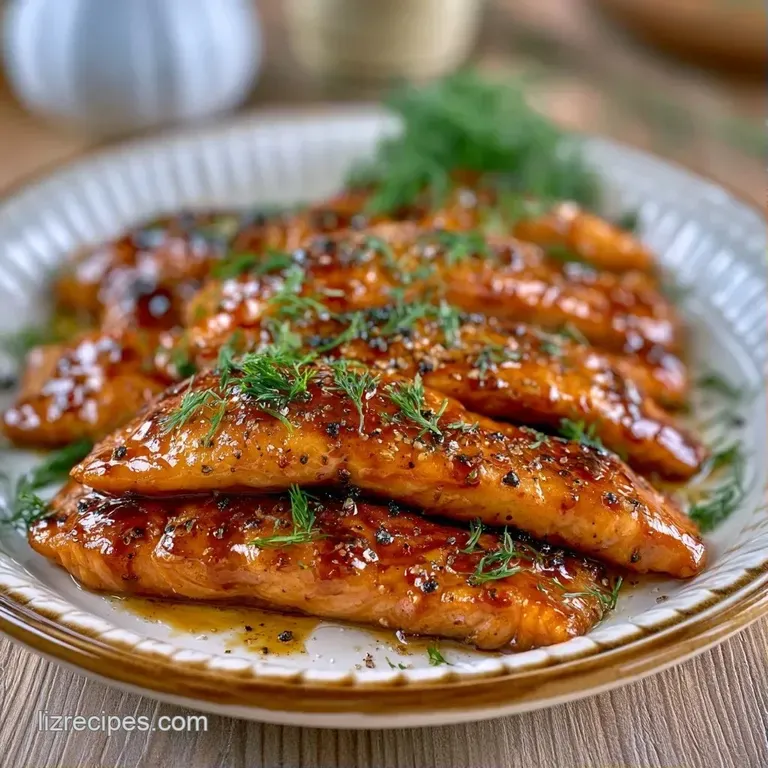
You'll end up with strips that have a rich, dark color and a flavor that hits every note. It's salty, sweet, and carries that wood fired aroma that makes any kitchen smell like a professional smokehouse. Trust me, once you have these in your fridge, you'll find a dozen ways to eat them.
Sweet Smoked Salmon Recipe
Right then, let's get into the details. The goal here is to move away from the traditional "flaky" salmon and move toward something denser. By using a heavy amount of brown sugar and salt, we change the structure of the fish. It stops being a dinner fillet and starts being a snack.
Most people think they need a massive setup to get this result, but any decent pellet grill or smoker works. If you're just starting out, don't let the long timeline scare you. Most of the time, the salmon is just sitting in the fridge doing its own thing.
What Makes This Great
Getting that specific "candy" texture comes down to a few things. It's not just about the smoke, but how we prep the fish before it ever hits the heat.
The Dry Cure: The salt and sugar draw water out of the cells. This concentrates the flavor and gives the fish that chewy bite.
The Pellicle: Letting the fish air dry creates a sticky layer on the surface. This is where the smoke actually clings to the meat.
Low Heat: We aren't "cooking" the salmon in the traditional sense. We're gently drying it further while infusing smoke.
| Method | Time | Texture | Best For |
|---|---|---|---|
| Pellet Smoker | 4 hours | Chewy & Tacky | Traditional "Candy" Salmon |
| Oven (Low) | 3 hours | Denser & Flaky | Quick versions without smoke |
The Basic Details
Before we dive into the gear, let's look at the numbers. This isn't a "30 minute meal" type of deal.
- Prep time: 15 minutes
- Cook time: 4 hours
- Total time: 19 hours 15 minutes
- Yield: 5 servings
Your Ingredient List
I'm pretty particular about the sugar here. Dark brown sugar has more molasses, which helps with that mahogany color.
| Ingredient | What It Does | Best Swap |
|---|---|---|
| Dark Brown Sugar | Pulls moisture, adds sweetness | Honey (sticky but less "crust") |
| Kosher Salt | Cures the fish, preserves it | Sea Salt (use slightly less) |
| Maple Syrup | Final glaze for color | Agave or Honey |
| Dried Dill | Adds a bright, herbal note | Fresh dill (add at the end) |
For the Dry Rub
- 1/2 cup dark brown sugar, packed Why this? Molasses adds depth and color
- 1/4 cup kosher salt Why this? Coarser grains cure more evenly
- 1 tbsp dried dill
- 1 tsp cracked black pepper
- 1/2 tsp smoked paprika
For the Salmon
- 2 lbs center cut salmon fillet, skin on Why this? Uniform thickness ensures even curing
- 2 tbsp maple syrup Why this? Creates the signature tacky glaze
Tools You'll Need
You don't need a professional kitchen, but a few specific tools make this way easier. A glass dish is a must because salt can react with some metals.
- Glass baking dish or heavy duty zip top bags
- Wire cooling rack
- Baking sheet
- Meat thermometer (digital)
- Small whisk or fork
How To Make It
Let's crack on with the process. I've broken this down into the three main phases.
Phase 1: The Dry Cure
- Cut the salmon fillet into uniform strips, roughly 1 inch wide and 3 inches long. Keep the skin on to help them hold their shape.
- Whisk the dark brown sugar, kosher salt, dried dill, black pepper, and smoked paprika in a bowl.
- Coat each salmon strip generously on all sides with the rub. Don't be shy; you want them fully covered.
- Place strips in a single layer in your glass dish or bag. Refrigerate for 12 hours, flipping them halfway through so the brine hits every side.
Phase 2: The Rinse and Pellicle
- Remove the salmon and rinse it thoroughly under cold water. You need to get that excess salt off, or it'll be way too salty to eat.
- Pat the strips completely dry with paper towels. They should be damp, not dripping.
- Place the strips on a wire rack over a baking sheet. Put them back in the fridge, uncovered, for 2 to 4 hours.
- Wait until the surface feels tacky to the touch. This is the pellicle, and it's the only way the smoke will stick.
Phase 3: The Smoking Process
- Set your smoker to a low temperature (usually around 225°F/105°C).
- Smoke the salmon for 4 hours.
- In the final 30 minutes, brush the strips with maple syrup.
- Remove them when they have a dark mahogany finish and a firm, chewy texture.
Chef's Note: If you see white beads forming on the salmon, don't panic. That's just albumin (protein) pushing out. It's safe to eat, but keeping your temp low prevents it.
Fixing Common Issues
Even when you follow the steps, fish can be temperamental. Most problems come down to temperature or the rinsing phase.
Troubleshooting Common Issues
| Issue | Solution |
|---|---|
| Why Your Salmon Is Too Salty | This usually happens if the rinse wasn't thorough enough. The cure is very aggressive, so you really have to wash that sugar and salt crust off completely before the pellicle phase. |
| Why Your Salmon Is Rubbery | If the smoker gets too hot, the proteins tighten up too quickly. This turns your "candy" salmon into something that feels like a rubber band. Keep the heat steady and low. |
| Why Your Salmon Lacks Color | A lack of color usually means the pellicle didn't form or the maple syrup wasn't applied. The syrup needs that last bit of heat to caramelize and darken. |
Fun Flavor Twists
Once you've got the base Sweet Smoked Salmon Recipe down, you can start playing with the flavors. I'm always experimenting with what I have in the pantry.
For a spicy kick, add 1/2 tsp of cayenne pepper or chipotle powder to the dry rub. The heat cuts through the sugar beautifully. If you want something more complex, try a maple bourbon glaze by mixing a splash of bourbon into your syrup.
If you're not in the mood for a long cure, you can check out my Pellet Grill Salmon Filet for a faster, more traditional dinner approach. For those who want an herb forward profile, swap the dill for fresh thyme and lemon zest, adding the zest only after the rinse.
Storage and Waste
This salmon keeps surprisingly well because the cure acts as a preservative.
Fridge: Store in an airtight container for up to 7 days. It actually tastes better on day two once the flavors settle. Freezer: You can freeze these for up to 2 months. Wrap them tightly in parchment paper and then foil to prevent freezer burn.
To avoid waste, don't throw away the salmon skins if you trimmed any. You can fry them in a pan with a bit of oil until they're crisp, making a salty snack that's great with a dip.
Best Pairing Ideas
Because this salmon is so rich and sweet, you need something acidic or creamy to balance it out.
I love serving these on a simple cracker with a smear of cream cheese and a few capers. The brine of the capers cuts right through the sugar of the fish. For a more substantial meal, pair it with my Classic Potato Salad recipe, as the creamy potatoes and tangy dressing complement the smokiness.
Plating Your Salmon
Depending on who you're serving, you can change how this looks on the plate.
| Level | Presentation | Key Tweak |
|---|---|---|
| Simple | Wooden board | Pile strips high with lemon wedges |
| Polished | White platter | Fan out strips with fresh dill sprigs |
| Restaurant | Slate slab | Single strip, dollop of creme fraiche, microgreens |
Salmon Myths
There are a few things people get wrong about smoking fish. Let's clear them up.
Some people think you need to "seal" the fish to keep it juicy. That's not how it works. The cure actually removes moisture on purpose to create that specific texture.
Another myth is that you can't use frozen salmon. You can, but you must thaw it completely and pat it very dry. If there's too much excess water, the cure won't penetrate the meat evenly.
Critical Sodium Level
2450 mg 2,450 mg of sodium per serving (107% 107% of daily value)
The American Heart Association recommends a limit of 2,300 mg of sodium per day for most adults to maintain heart health.
Tips to Reduce Sodium
-
Slash the Salt-25%
The kosher salt is the primary sodium source. Reduce the amount by half or more; a smaller quantity will still effectively cure the salmon while drastically lowering sodium.
-
Use Citrus Zest-15%
Add fresh lemon or lime zest to the rub. The acidity provides a flavor 'brightness' that helps trick the palate into needing less salt.
-
Adjust Sweetness-10%
Slightly increase the maple syrup to balance the flavor profile, which helps compensate for the reduced saltiness.
-
Enhance Aromatics
Increase the amount of dried dill and cracked black pepper to add depth and complexity to the crust without adding any sodium.
Recipe FAQs
How to make salmon taste sweet?
Coat the fillets in a rub of dark brown sugar and finish with a maple syrup glaze. This creates a candied exterior and a rich, mahogany finish.
Is it true that candied salmon is the same as smoked salmon?
No, this is a common misconception. Candied salmon uses a high sugar cure to create a sweet crust, whereas traditional smoked salmon focuses primarily on salt and wood smoke.
Does salmon have to be brined before smoking?
Yes, brining is essential. Using a mixture of kosher salt and dark brown sugar draws out moisture and firms the flesh, which allows the smoke to penetrate better.
What's the best salmon for smoking?
Choose center cut salmon fillets with the skin on. These provide uniform thickness for even smoking and the skin helps hold the fillet together during the process.
How to smoke salmon at home?
Smoke the salmon at a low temperature for 4 hours. Ensure you rinse the cure thoroughly and allow a tacky pellicle to form on the surface before starting.
What is the best way to grill salmon on a pellet grill?
Maintain a steady low temperature for 4 hours. Avoid high heat to prevent the proteins from tightening, which prevents the fish from becoming rubbery.
How to eat smoked sockeye salmon?
Serve it chilled or at room temperature. It makes a great appetizer before a hearty main like Slow Cooker Chicken.
Sweet Smoked Salmon Recipe