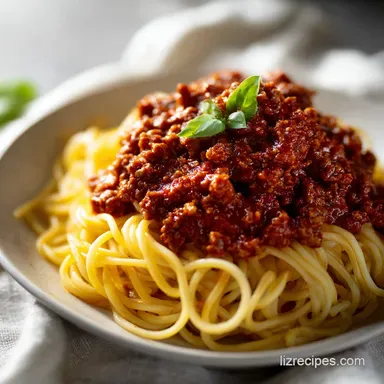
Spaghetti Bolognese: Quick Weeknight Dinner
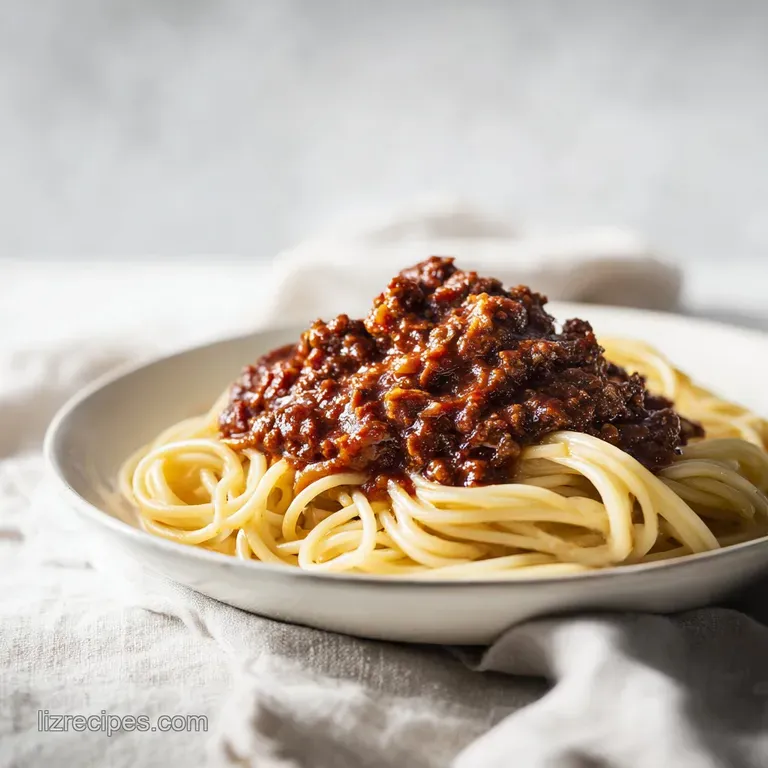
- Time: 10 min active + 20 min cook = Total 30 minutes
- Flavor/Texture Hook: Savory, mahogany seared beef in a velvety tomato sauce
- Perfect for: Busy Tuesday nights, family-friendly dinners, or beginner cooks
- The Best Weeknight Spaghetti Bolognese
- Techniques for Better Sauce
- Ingredient Roles Explained
- Essential Kitchen Tools
- Step by Step Process
- Fixing Common Sauce Issues
- Troubleshooting Common Issues
- Easy Taste Twists
- Preservation Secrets
- Great Side Dish Pairings
- Final Thoughts on Effortless Pasta
- Recipe FAQs
- 📝 Recipe Card
The first thing you'll notice is that sizzle. You know the one, where the beef hits the hot oil and immediately starts to crackle and brown. For the longest time, I thought the only way to make a real sauce was to let it bubble on the stove for six hours until I basically forgot I was even cooking.
I once tried that on a random Tuesday, and by the time it was done, the kids were asleep and I was too tired to even eat it.
That's when I realized that we don't need a marathon session for a great meal. By changing how I prep the veg and using a few smart shortcuts, I found a way to get those same deep, concentrated flavors in a fraction of the time. This Spaghetti Bolognese is the result of those "I'm too tired for this" experiments.
It's designed for the chaos of real life. You get the richness of a slow cooked ragu but with a workflow that doesn't take over your entire evening. We're talking about a sauce that clings to the pasta, packed with hidden nutrients from the grated carrots and celery, and a finish that feels like a hug in a bowl.
The Best Weeknight Spaghetti Bolognese
Right then, let's talk about how we actually get this to work. The secret isn't in some fancy ingredient, but in the order of operations. When you're rushing through a weeknight Spaghetti Bolognese, it's easy to just throw everything in a pot and hope for the best.
But if you want that velvety texture and the deep, mahogany color, you have to be intentional about the heat.
The goal here is to build layers. We start with the aromatics, move to the sear, and finish with a controlled simmer. It sounds simple, but that's where the magic happens. If you skip the searing phase, you end up with gray meat that tastes boiled, which is a tragedy I've committed more times than I'd like to admit.
Trust me on this: let the meat brown.
This version of Spaghetti Bolognese is all about efficiency. We use whole grain spaghetti for a bit more bite and nutritional punch, and passata for a smooth, consistent base. It's a family friendly approach that doesn't compromise on the savory, umami rich profile we all crave.
Techniques for Better Sauce
Instead of a long simmer, we use a few clever tricks to mimic that "all day" taste. Here is what's actually happening in the pan.
Grated Aromatics: Grating the carrots and celery instead of dicing them means they break down almost instantly. This allows them to meld into the sauce, providing sweetness and depth without leaving chunky bits.
Over High heat Searing: Browning the beef at medium high heat creates a crust on the meat. This is what gives the Spaghetti Bolognese its rich, savory base and prevents the sauce from tasting flat.
The Pasta Water Bind: Adding a splash of starchy pasta water at the end helps the sauce emulsify. It turns a separate sauce and noodle situation into a cohesive, velvety dish.
Umami Boosters: A touch of Worcestershire sauce adds a layer of fermented depth. It mimics the complexity that usually only comes from hours of reduction.
| Method | Prep Time | Texture | Best For |
|---|---|---|---|
| Traditional | 4+ hours | Thick, chunky | Sunday dinner |
| Quick Win | 30 minutes | Velvety, smooth | Busy weeknights |
| Slow Cooker | 8 hours | Very soft | Set and forget |
Most people think they need a Dutch oven for this, but a wide skillet actually works better for a quick weeknight Spaghetti Bolognese. The more surface area you have, the faster the moisture evaporates and the better the meat sears.
If you use a deep, narrow pot, the meat tends to steam in its own juices, and you lose that mahogany color.
Ingredient Roles Explained
Understanding why we use specific items helps you make better choices if you're missing something in the pantry. For a quick Spaghetti Bolognese, every ingredient has a job to do.
| Ingredient | Science Role | Pro Secret |
|---|---|---|
| Lean Beef | Protein Base | Sear until dark brown for maximum flavor |
| Passata | Smooth Base | Use a high-quality brand for less acidity |
| Grated Veg | Natural Sweetness | Grating hides the veg from picky eaters |
| Beef Broth | Fluidity | Low sodium allows you to control the salt |
I've found that using lean beef (90%) is actually better for this fast version. When you simmer for hours, the fat has time to render and emulsify into the sauce. In a 20 minute cook, too much fat just sits on top, making the Spaghetti Bolognese feel greasy.
By starting lean, we keep the flavor focused on the tomatoes and aromatics.
Essential Kitchen Tools
You don't need a professional setup, but a few specific tools make this process effortless. For the vegetables, a box grater or a food processor is your best friend. If you try to finely dice carrots and celery by hand to the same consistency as the grated version, you'll be prepping for 30 minutes instead of 10.
A heavy bottomed skillet or a wide sauté pan is non negotiable. This ensures the heat is distributed evenly, so you don't get hot spots that burn the garlic while the onions are still raw. A sturdy wooden spoon or a silicone spatula is great for breaking up the meat as it browns.
For the pasta, a large pot is key. You want the spaghetti to have plenty of room to move around, otherwise, it clumps together. According to Serious Eats, using enough water prevents the pasta from becoming overly gummy, which is a common mistake in home kitchens.
Step by step Process
Let's crack on with the actual cooking. Follow these steps, and pay attention to the sensory cues. That's how you know you're on the right track.
- Heat the olive oil over medium heat. Add the diced onion, grated carrots, and celery. Sauté for 4–5 minutes until the vegetables are softened and the onion is translucent. Note: Grated veg cooks faster and creates a thicker base.
- Stir in the minced garlic and cook for 60 seconds until it smells fragrant but hasn't turned brown.
- Increase heat to medium high. Add the lean ground beef to the pan. Break the meat apart with your spoon and cook until it is no longer pink and has developed a mahogany colored sear. Drain any excess fat if necessary.
- Stir in the dried oregano, salt, and pepper. Ensure the spices are toasted in the meat fat for about 30 seconds to wake up the oils.
- Pour in the tomato passata, Worcestershire sauce, and beef broth. Stir until everything is well combined.
- Bring the mixture to a gentle bubble, then reduce heat to low. Simmer for 10–12 minutes until the sauce has thickened and looks glossy.
- While the sauce simmers, boil the whole grain spaghetti in salted water until al dente. Reserve ¼ cup of pasta water before draining.
- Toss the cooked spaghetti directly into the sauce. Add the reserved pasta water and stir until the sauce coats every strand of pasta.
- Remove from heat and stir in the fresh parsley.
- Serve immediately with a generous dusting of Parmigiano Reggiano.
Chef's Tip: To get an even deeper flavor, add a tiny pinch of sugar or a teaspoon of tomato paste during the browning phase. It cuts through the acidity of the passata and makes the sauce taste like it's been simmering since morning.
Fixing Common Sauce Issues
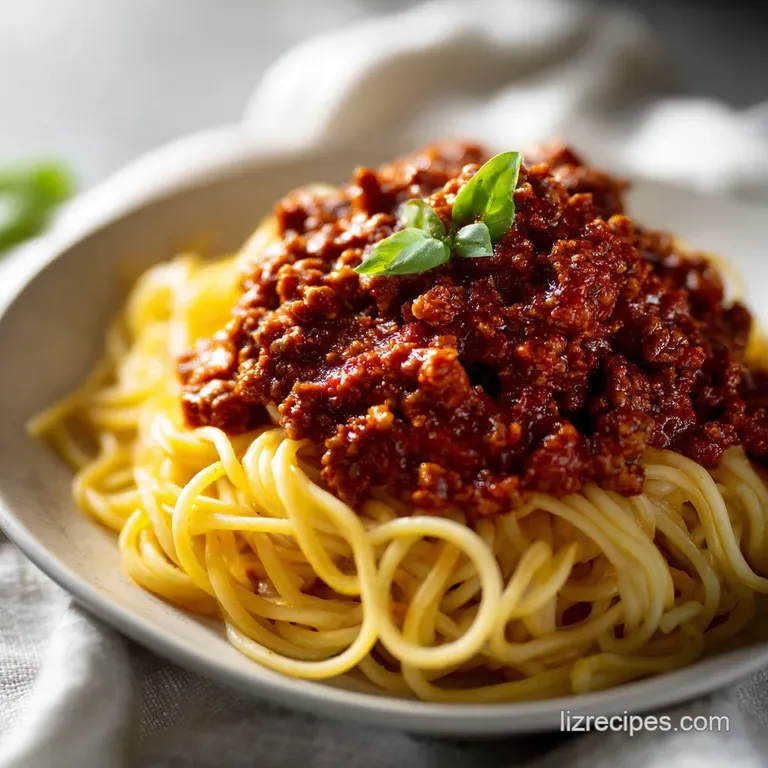
Even with a simple recipe, things can go sideways. Usually, it's just a matter of heat management or a balance of flavors. Here is how to handle the most common hiccups with your Spaghetti Bolognese.
Troubleshooting Common Issues
| Issue | Solution |
|---|---|
| Why Your Sauce Is Too Acidic | If the tomato flavor is too sharp or "tinny," it's usually because the passata hasn't had enough time to mellow. You can fix this by adding a pinch of baking soda or a teaspoon of sugar. The baking so |
| Why Your Meat Is Gray | Gray meat happens when the pan isn't hot enough or you've crowded the pan. When too much cold meat hits the pan at once, the temperature drops, and the meat releases water. Instead of searing, it boil |
| Why The Sauce Is Too Watery | This usually happens if the heat was too low during the simmer or if you added too much broth. If your Spaghetti Bolognese looks like soup, turn up the heat to medium and simmer without a lid for a fe |
Common Mistakes Checklist
- ✓ Don't boil the pasta until it's mushy; stop at al dente.
- ✓ Don't stir the beef constantly; let it sit to get a sear.
- ✓ Don't forget to salt the pasta water heavily.
- ✓ Don't skip the reserved pasta water step.
- ✓ Don't use pre grated parmesan in a shaker bottle; grate it fresh.
Easy Taste Twists
One of the best things about a weeknight Spaghetti Bolognese is how easy it is to tweak based on what's in your fridge. If you're feeling fancy, you can swap the lean beef for a mix of beef and pork. The pork adds a different kind of fat and sweetness that makes the sauce feel more traditional.
For those who want to add more "hidden" nutrients, try adding finely grated zucchini or spinach. The zucchini disappears into the sauce just like the carrots do, and the spinach adds a lovely earthy note. If you're in the mood for something different entirely, you can use the same sauce base for a Easy Garlic Butter Chicken by swapping the beef for seared chicken breast.
If you want a spicy kick, add a pinch of red pepper flakes during the garlic step. Or, for a deeper, richer flavor, substitute the beef broth with a splash of red wine. Just make sure to let the wine reduce by half before adding the passata so you don't end up with a raw alcohol taste in your Spaghetti Bolognese.
| Original Ingredient | Substitute | Why It Works |
|---|---|---|
| Whole Grain Pasta | gluten-free Pasta | Similar shape. Note: Cooks faster, watch for mushiness |
| Beef Broth | Vegetable Broth | Same salt profile. Note: Makes the dish vegetarian friendly if beef is swapped |
| Parmigiano Reggiano | Pecorino Romano | Hard salty cheese. Note: Tangier and saltier than Parmesan |
If you're meal prepping for the week, this sauce is a lifesaver. I often make a double batch because it actually tastes better the next day. The flavors have more time to mingle, making the second day Spaghetti Bolognese even richer than the first.
Preservation Secrets
Storing your leftovers correctly is the difference between a great lunch tomorrow and a soggy mess. Store the sauce and the pasta separately if you can. If you mix them and then refrigerate them, the pasta continues to absorb moisture from the sauce, which can leave you with overcooked noodles and a dry sauce.
Keep the sauce in an airtight glass container in the fridge for up to 4 days. For the freezer, this sauce is a champion. I usually freeze it in portions using freezer bags, laid flat to save space. It stays fresh for up to 3 months.
When you're ready to eat, thaw it in the fridge overnight and reheat it in a pan with a splash of water to loosen the texture.
To reheat, avoid the microwave if possible. Put the sauce in a small pot over medium low heat. Add a tiny bit of butter or olive oil to bring back that velvety sheen. If you stored the pasta separately, toss it into the simmering sauce for the last 2 minutes of reheating to ensure it's hot all the way through.
Regarding zero waste, don't toss those veggie scraps. The ends of the carrots, celery, and onion can be stored in a bag in the freezer. Once the bag is full, boil them with water to make a simple vegetable stock for your next batch of Spaghetti Bolognese.
Great Side Dish Pairings
Since this dish is quite rich and savory, you want sides that provide a crisp, fresh contrast. A simple arugula salad with a lemon vinaigrette is my go to. The bitterness of the greens and the acidity of the lemon cut right through the heaviness of the beef and cheese.
Garlic bread is the classic choice, but if you're looking for something a bit heartier, a side of roasted broccoli or sautéed spinach works wonders. For a larger family gathering, you could even serve a Classic Potato Salad on the side for a bit of creamy, cool balance.
Another great option is a simple Caprese salad with fresh mozzarella and basil. The freshness of the tomatoes and basil complements the cooked down flavor of the Spaghetti Bolognese without overwhelming it. Just keep the sides light, as the pasta is the star of the show.
Final Thoughts on Effortless Pasta
Making a great Spaghetti Bolognese doesn't have to be a chore. By focusing on the sear and using a few smart prep shortcuts, you can bring a restaurant quality meal to your family in just 30 minutes. It's all about working smarter, not harder, in the kitchen.
Whether you're using this as a quick weeknight Spaghetti Bolognese or as part of a larger weekend feast, the key is in the details. Don't rush the browning of the meat, and always remember that splash of pasta water.
It's those small, effortless tweaks that turn a basic meal into something your family will actually ask for every week.
So, next time you're staring at the clock at 5 PM, don't stress about the slow cooker recipes. Grab your grater, heat up that oil, and get that beef sizzling. You've got this. Enjoy your dinner!
Recipe FAQs
Why is my ground beef turning gray instead of brown?
The pan is likely too cold or overcrowded. This causes the meat to release water and boil rather than sear, so use medium high heat to achieve a mahogany colored crust.
How to prevent the sauce from being too watery?
Simmer on low for 10 12 minutes. This allows the beef broth and tomato passata to reduce and thicken before you toss in the pasta.
Is it true I must dice the carrots and celery?
No, this is a common misconception. Grating these vegetables allows them to soften faster and integrate into a thicker, smoother sauce base.
How to integrate the pasta into the sauce?
Toss the al dente spaghetti directly into the pan. Stir in up to ¼ cup of reserved pasta water to help the sauce emulsify and cling to the noodles.
Should I drain the beef after browning?
Yes, if excess fat remains. Draining the pan after searing the lean ground beef ensures the final sauce is not overly greasy.
How to ensure the garlic doesn't burn?
Cook for only 60 seconds until fragrant. Add the minced garlic only after the other vegetables have already softened over medium heat.
When is the best time to add the fresh parsley?
Stir it in just before serving. Adding the chopped parsley at the very end maintains its vibrant green color and fresh flavor.
Spaghetti Bolognese