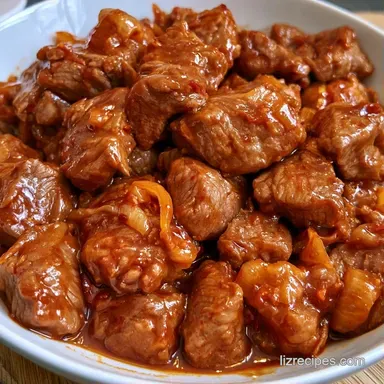
Healthy Slow Cooker Korean Beef
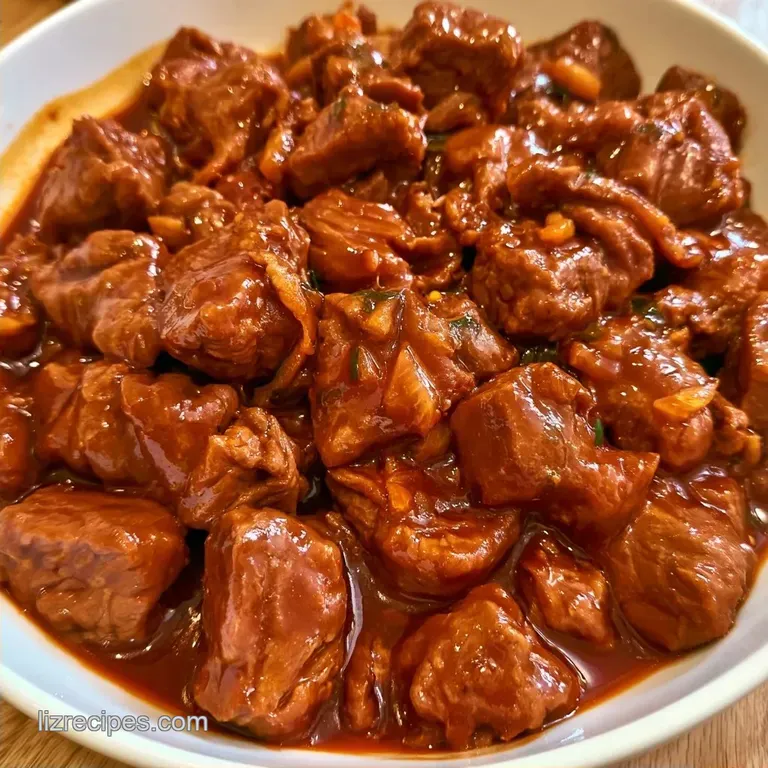
- Time:15 mins prep + 8 hrs in the slow cooker
- The Profile: Sticky, savory, and mahogany colored shreds
- Perfect for: Family weeknight dinner or meal prep
Slow Cooker Korean Beef
That searing sound as the beef hits the hot oil is where the real flavor begins. Without that step, you miss out on the rich, caramelized crust that gives the meal a professional, restaurant style finish.
Having the scent of pungent gochujang and toasted sesame oil fill your home for eight hours is truly one of the highlights of the day.
In the past, I would simply toss everything into the pot, but the result was always a bit grey and tasteless. I discovered that investing ten minutes to brown the meat makes a world of difference, providing a depth of flavor that slow cooking alone simply cannot provide.
This recipe is a lifesaver for those busy weeknights when you want a healthy, delicious dinner without spending your entire evening in the kitchen. It's a simple, family friendly meal that relies on a few pantry basics to create a bold, sticky glaze.
Why the Meat Stays Tender
Chuck Roast: This cut has a lot of connective tissue that melts into gelatin over eight hours. This is why the beef ends up so tender and doesn't dry out like a leaner cut would.
Low and Slow: Keeping the temperature low prevents the protein fibers from tightening up too quickly. It's a similar process to my shredded beef recipe, where time does all the heavy lifting.
Cook Method Comparison
| Method | Time | Texture | Best For |
|---|---|---|---|
| Slow Cooker | 8 hours | Fall apart tender | Effortless weeknights |
| Stovetop | 3 hours | Slightly firmer | When you're in a rush |
The slow cooker is definitely the way to go here. It allows the gochujang and honey to really penetrate the meat, creating a uniform flavor in every single bite.
| Goal | What to change |
|---|---|
| Spicier | Add 1 tbsp gochujang |
| Sweeter | Add 1 tbsp honey |
| Thicker | Add 1 tsp extra cornstarch |
Ingredient Deep Dive
For the beef base, you need something with a bit of fat. Beef chuck roast is the standard because it handles the long cook time without becoming stringy. If you can't find chuck, a shoulder roast works too, though it might be slightly tougher.
The glaze relies on a balance of salty and sweet. Soy sauce provides the salt and umami, while honey adds that sticky quality. Gochujang is the real star here; it's a fermented Korean chili paste that adds a mild heat and a rich, funky depth.
Rice vinegar is a small but vital addition because the acidity cuts through the richness of the beef.
Fresh ginger and garlic provide the aromatics. I always grate the ginger fresh because the powdered stuff doesn't have that same zing. For the thickening, a simple cornstarch slurry at the end gives the sauce a glossy, pourable finish that clings to the meat.
Essential Gear
No gourmet kitchen is required for this recipe. Your primary piece of equipment will be a 6 quart slow cooker. To get a superior crust, I recommend searing the meat first in a heavy cast iron or stainless steel skillet, as these materials retain heat more effectively.
You'll need two strong forks to shred the beef once it's finished. A medium bowl and a whisk are all that's needed for the sauce. I prefer thickening the glaze in a small saucepan on the stovetop instead of inside the slow cooker to maintain better control over the final texture.
The Cooking Process
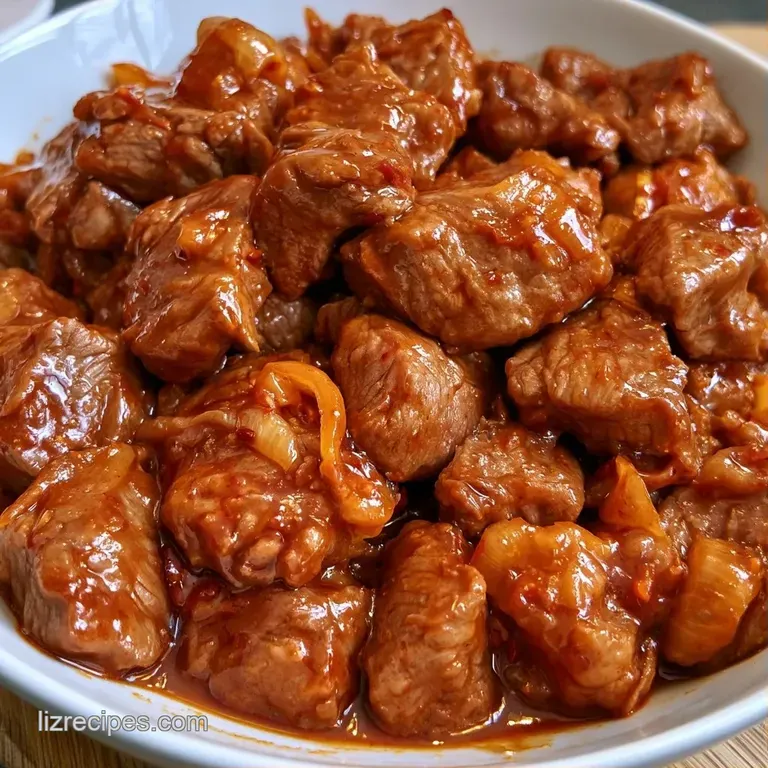
Phase 1: Creating the Flavor Base
- Use paper towels to pat the beef chunks dry. Note: Removing surface moisture ensures a better sear.
- Set a skillet to medium high and warm the avocado oil until it shimmers.
- Brown the beef for 3-4 minutes per side until a rich crust develops.
- Transfer the seared meat and its rendered fat into the slow cooker.
Phase 2: The Slow Infusion
- In a medium bowl, whisk together the soy sauce, gochujang, honey, rice vinegar, sesame oil, ginger, and black pepper until smooth.
- Layer the sliced onions and minced garlic across the bottom of the slow cooker.
- Arrange the beef on top of the onions and pour the sauce evenly over the meat.
- Cover and cook on Low for 8 hours until the meat is fork tender.
Phase 3: The Glossy Finish
- Move the beef to a platter and shred using two forks.
- Pour about 2 cups of the cooking juices into a saucepan.
- Stir a cornstarch and cold water slurry into the simmering liquid over medium heat until thick and glossy.
- Fold the shredded beef back into the thickened sauce until completely coated.
Troubleshooting Guide
It's pretty hard to mess up Slow Cooker Korean Beef, but sometimes the sauce doesn't behave. Most issues come down to the liquid ratio or the heat of the sear.
Fixing Salty Sauce
If the sauce tastes too salty, it's usually because the soy sauce reduced too much. Stir in a tablespoon of rice vinegar or a squeeze of lime. The acid balances the sodium without making the sauce watery.
Fixing Thin Glaze
If your sauce is too runny after adding the slurry, just let it simmer for another 2-3 minutes. The cornstarch needs to reach a certain temperature to fully activate and thicken.
Fixing Tough Meat
Tough meat usually means it hasn't cooked long enough. Even if it looks done, beef chuck needs time for the collagen to melt. Give it another hour on low.
| Problem | Fix |
|---|---|
| Too Salty | Add rice vinegar or lime juice |
| Sauce Runny | Simmer slurry for 3 more mins |
| Meat Tough | Cook for 1 more hour on low |
Perfect Complements
For a balanced bowl of Slow Cooker Korean Beef and Rice, I recommend using steamed jasmine or short grain brown rice. The neutral flavor of the rice absorbs the extra glaze, so nothing goes to waste.
I also love adding something fresh to cut through the richness. Quick pickled cucumbers or shredded carrots with a splash of vinegar work great. Steamed bok choy or sautéed spinach with sesame seeds also fits the flavor profile.
If you have some toasted sesame seeds and sliced green onions, sprinkle them on top for a bit of crunch and color.
Storage and Freezing
The flavors deepen over time, making this meal even more delicious the following day. Store any remaining portions in an airtight glass jar in the refrigerator for up to 4 days.
This beef also freezes well for long term storage. Transfer the meat and sauce into a freezer safe bag, removing as much air as possible. It will remain fresh for 3 months. To defrost, leave it in the refrigerator overnight.
For reheating, I recommend a skillet on medium heat with a small splash of water. This loosens the sauce and keeps the beef from drying out. A microwave is also an option, though you should stir it every few minutes to ensure even heating.
Don't let the beef drippings go to waste. Freeze them to add a rich hit of umami to a future homemade gravy or beef stew.
Make It Your Own
If you want a more "Bulgogi style" sweetness, swap the honey for brown sugar. It gives the sauce a deeper, molasses like undertone that pairs well with the soy. For those who want an extra spicy kick, add a teaspoon of crushed red pepper flakes or a drizzle of Sriracha to the final glaze.
For a low carb alternative, skip the rice and serve the beef in large lettuce wraps. Use butter lettuce or romaine for a crisp contrast to the tender meat. If you're looking for other easy protein options for your week, you might like my garlic butter chicken which is just as simple.
You can also swap the beef chuck for pork shoulder if you have some on hand. The cook time remains the same, and the fat content in the pork makes for an incredibly rich result. Just be sure to drain a bit more of the fat before thickening the sauce, as pork can be greasier than beef.
Common Kitchen Myths
Searing meat does not "seal in juices." This is a common belief, but moisture loss happens throughout the entire cooking process regardless of the sear. The reason we do it for Slow Cooker Korean Beef is for the flavor; the browning creates complex tastes that boiling or steaming simply can't match.
Another myth is that slow cookers always dry out meat. In reality, it's usually the opposite. Because the pot is sealed, the meat cooks in its own juices. If your beef comes out dry, it's typically because you used a lean cut like eye of round instead of a fatty cut like chuck roast.
Right then, you're all set to try this. It's a reliable, hearty meal that makes the daily struggle of dinner time a whole lot easier. Just remember to pat that meat dry and get a good sear, and you'll have some seriously tasty beef on your table.
Recipe FAQs
Which cut of beef works best for this slow cooker recipe?
Use beef chuck roast cut into four large chunks. This cut provides the fat and connective tissue needed to keep the meat tender during the long cook.
What is the process for cooking this roast in a crock pot?
Place sliced onions and garlic at the bottom, nestle seared beef on top, and pour over the sauce. Cook on low for 8 hours or high for 4-5 hours.
Can I cook this beef roast in the crock pot overnight?
Yes, the low setting for 8 hours is ideal for overnight preparation. Your beef will be fork tender by the time you wake up.
How do I brown the roast before adding it to the slow cooker?
Using medium high heat, warm the avocado oil in a skillet until it shimmers. Sear the beef for 3-4 minutes on each side to develop a deep brown crust.
Is it true that searing is optional for slow cooker meals?
Actually, no. Searing creates a rich crust that significantly improves the depth of flavor in the finished sauce.
What if I want a different sauce flavor for the beef?
Feel free to swap the Korean glaze for a classic barbecue base. For another recipe that masters the sweet and savory combination, try my homemade BBQ sauce.
Slow Cooker Korean Beef for 6 Servings