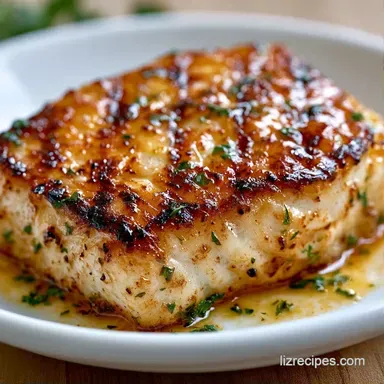
Pellet Grill Halibut Recipe with Lemon Garlic
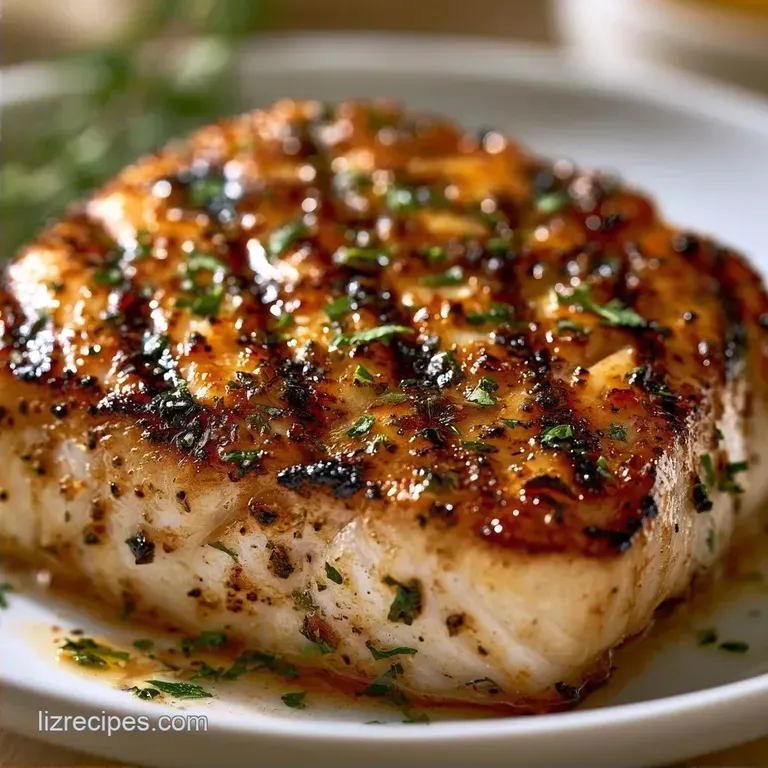
- Time: 10 min active + 11 min cooking
- Flavor/Texture Hook: Smoky lemon garlic zest with a flaky, butter basted center
- Perfect for: Easy weeknight dinners or impressive guest meals
- Pellet Grill Halibut Recipe
- Why This Method Just Works
- Ingredient Deep Dive
- Recipe Specs
- Equipment Needed
- How to Make It
- Fixing Common Cooking Issues
- Troubleshooting Common Issues
- Adjusting Portion Sizes
- Dispelling Grill Myths
- Storage Guidelines
- Perfect Sides For Halibut
- Fun Flavor Twists
- Critical Sodium Level
- Recipe FAQs
- 📝 Recipe Card
Pellet Grill Halibut Recipe
The smell of lemon and garlic hitting a hot cast iron skillet is enough to make anyone hungry. I remember the first time I tried fish on my pellet grill. I was terrified it would stick to the grates and tear apart, leaving me with a mess of expensive fish flakes.
I spent a few dinners fighting with the grill, but then I started using a preheated skillet right on the grates.
That one change fixed everything. Now, this is my go to way to handle halibut. You get that distinct wood fired aroma but keep the internal moisture that makes this fish so special. It doesn't require a lot of fuss, just a bit of timing and the right heat.
This Pellet Grill Halibut Recipe is all about efficiency. We're not doing a slow smoke here, as halibut is too lean for that. Instead, we're using the pellet grill as a over high heat oven with an added layer of smoke. It's a fast, family friendly meal that feels fancy but takes less than 40 minutes from start to finish.
Why This Method Just Works
- Cast Iron Searing: Placing a skillet on the grill creates a flat, scorching surface. This prevents the fish from falling through the grates and builds a crust in about 5 minutes.
- Wood Selection: Apple or Alder wood provides a light, sweet smoke. This enhances the mild flavor of the halibut without making it taste like a campfire.
- Butter Basting: Adding melted butter during the final flip adds a rich finish. It helps the spices stick and keeps the lean protein from drying out.
| Method | Time | Texture | Best For |
|---|---|---|---|
| Stovetop | 10 min | Charred | Single fillets |
| Oven | 20 min | Soft/Steamed | Large batches |
| Pellet Grill | 11 min | Smoky/Crisp | Deep flavor |
Ingredient Deep Dive
| Ingredient | What It Does | Best Swap |
|---|---|---|
| Avocado Oil | High smoke point for searing | Grapeseed oil |
| Lemon Juice | Brightens the flavor | Lime juice |
| Smoked Paprika | Adds color and depth | Mild chili powder |
Recipe Specs
For the best results, you'll want a few specific things. A pellet grill like a Traeger or Pit Boss works great. The most important part is the cast iron skillet. If you don't have one, a perforated grill tray is the next best thing to keep the fillets stable.
Make sure your halibut is about 1 inch thick. If the fillets are too thin, they'll overcook before you get a good sear. If they're too thick, the middle might stay raw while the outside burns. Aim for a consistent thickness across all pieces.
Equipment Needed
You don't need a professional kitchen for this. A standard pellet grill and a cast iron skillet are the heavy lifters. I also suggest using a digital meat thermometer. Fish overcooks in a matter of 60 seconds, so guessing is a risky move.
For the marinade, a simple small bowl and a whisk will do. Use a silicone brush to apply the oil mixture. This ensures every inch of the fish is covered, which is the best way to prevent sticking.
How to Make It
Phase 1: Prepping and Marinating
- Pat the halibut fillets completely dry with paper towels. Note: Moisture on the surface creates steam, which stops the fish from searing.
- Whisk together the avocado oil, lemon juice, minced garlic, oregano, salt, pepper, and smoked paprika in a small bowl.
- Brush the marinade over all sides of the fish. Let it sit at room temperature for 15 to 20 minutes.
Phase 2: The Searing Process
- Preheat the pellet grill to 400°F (204°C) using Alder or Apple wood.
- Place your cast iron skillet inside the grill while it preheats. Note: The skillet needs to be smoking hot to get a proper crust.
- Carefully place the fillets in the skillet. Close the lid and cook for 4 to 6 minutes until the edges look opaque and a brown crust forms.
Phase 3: The Finish and Rest
- Flip the fillets carefully. Baste them with the melted unsalted butter.
- Continue cooking until the internal temperature reaches 130°F-135°F. According to Serious Eats, removing fish slightly early allows carryover heat to finish the job.
- Garnish with chopped fresh parsley and serve immediately with lemon wedges.
Fixing Common Cooking Issues
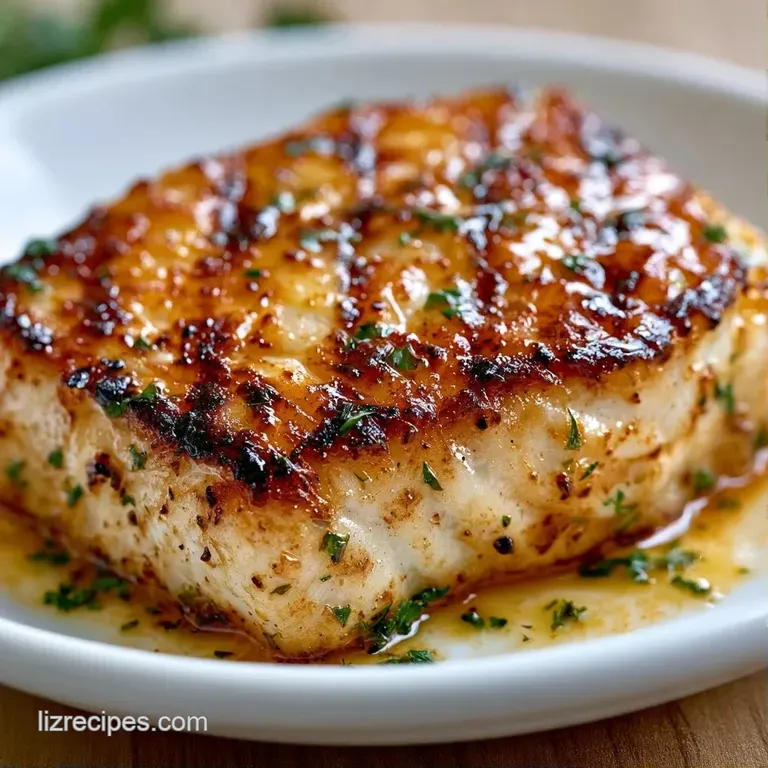
Getting fish right on a grill can be tricky. Most issues come down to temperature or moisture. If your fish is sticking, it's usually because the pan wasn't hot enough or the fish was too damp when it hit the metal.
Another common issue is the "rubbery" texture. This happens when you overcook the lean protein. Halibut doesn't have much fat, so it goes from flaky to rubbery very quickly. Always trust your thermometer over the timer. For those who prefer a mix of shellfish, a Foil Pack for 4 recipe is a great alternative that's a bit more forgiving with moisture.
Troubleshooting Common Issues
| Issue | Solution |
|---|---|
| Why Your Fish Sticks | The pan wasn't hot enough or you flipped it too early. The fish needs to naturally release from the surface once the crust forms. |
| Why Your Fish is Rubbery | You likely pushed the internal temp past 140°F. Remove the fish at 130°F and let it rest for 3 minutes. |
| Why Your Fish Breaks | You probably used a spatula that was too small or flipped too many times. Use a wide fish spatula and flip only once. |
Adjusting Portion Sizes
If you're just cooking for one or two, you can easily scale this down. Use a smaller 8 inch skillet instead of a large one. Reduce the cooking time by about 20% if the fillets are thinner than an inch.
When doubling the recipe for a crowd, don't just double the spices. I find that scaling salt and paprika to 1.5x is plenty. Work in batches if your skillet is crowded. If the pan is too full, the temperature drops and the fish will steam instead of sear.
Dispelling Grill Myths
You might hear that you need to "seal in the juices" by searing the fish first. This is actually a myth. Searing doesn't create a waterproof barrier. It just adds flavor and a nice texture through browning. The moisture stays in because you didn't overcook the internal temperature.
Some people think you have to soak fish in milk to remove "fishy" smells. For high-quality halibut, this is unnecessary. A simple squeeze of lemon juice in the marinade is all you need to brighten the flavor and keep it fresh.
Storage Guidelines
Fridge Storage
Store any leftovers in an airtight container. They'll stay good for 2 to 3 days. To keep them from drying out, place a damp paper towel over the fish before sealing the lid.
Freezing
I don't recommend freezing cooked halibut, as the texture becomes mushy. However, you can freeze raw fillets in vacuum sealed bags for up to 2 months. Thaw them slowly in the fridge overnight before using this Pellet Grill Halibut Recipe.
Zero Waste Tips
Don't toss the leftover lemon halves. Squeeze them into your pasta or use the rinds for zesting. If you have leftover marinade, simmer it in a pan for 2 minutes to kill any raw fish bacteria, then drizzle it over grilled vegetables.
Perfect Sides For Halibut
Since this fish is lean and smoky, you want sides that add creaminess or a bit of crunch. A light quinoa salad with cucumbers and feta works well. If you want something heartier, grilled asparagus or roasted baby carrots provide a nice earthy balance.
For a starch, I love a simple lemon butter rice. The acidity in the rice mirrors the lemon in the fish. If you're craving more seafood, this Pellet Grill Salmon Filet uses a similar over high heat approach and pairs well if you're doing a mixed seafood platter.
Fun Flavor Twists
For a Mediterranean Twist
Swap the smoked paprika for dried thyme and add a tablespoon of capers to the butter baste. This gives the dish a salty, briny punch that cuts through the richness of the butter.
For a Bold Cajun Kick
Replace the oregano and paprika with a heavy dusting of Cajun seasoning. Increase the heat slightly and serve with a side of corn maque choux for a full bayou experience.
For a Zesty Citrus Swap
Use lime juice and a pinch of cumin instead of lemon and oregano. This works incredibly well if you plan to flake the fish into tacos.
For a Keto Friendly Option
This recipe is already very low carb. To keep it that way, avoid any sugary glazes and serve it over a bed of sautéed spinach or cauliflower mash.
Critical Sodium Level
1380 mg 1,380 mg of sodium per serving (60% 60% of daily value)
The American Heart Association recommends a limit of 2,300mg of sodium per day, with an ideal limit of 1,500mg for most adults to reduce cardiovascular risk.
Ways to Reduce Sodium in Your Halibut
-
Reduce Added Salt-25%
The 1 tsp of kosher salt is the primary sodium source; replace it with half the amount or omit it entirely for a significant reduction.
-
Swap for Salt Free Blends-20%
Substitute the salt with a salt free seasoning blend or a low-sodium garlic salt alternative.
-
Amplify Lemon Juice-10%
Increase the lemon juice in the marinade to provide a bright, acidic flavor that mimics the taste of salt.
-
Enhance with Aromatics
Use extra fresh parsley and minced garlic to add depth and savoriness to the fish without adding sodium.
Recipe FAQs
Is halibut good on a smoker?
Yes, it is excellent. Its firm texture holds up well to the heat and absorbs the subtle flavors of Alder or Apple wood without falling apart.
How do you cook halibut on a pellet grill?
Preheat your grill to 400°F. Place fillets on a preheated cast iron skillet or perforated tray, cook for 4-6 minutes per side, and remove once the internal temperature hits 130°F-135°F.
Why did my halibut stick to the grill surface?
The surface was not hot enough. The fish must develop a proper crust to release naturally; ensure your skillet or tray is heated inside the grill before adding the fillets.
Why is my halibut rubbery?
The internal temperature likely exceeded 140°F. Remove the fish at 130°F and let it rest for 3 minutes to keep the flesh moist and flaky.
How do you prevent halibut fillets from breaking when flipping?
Use a wide fish spatula and flip only once. Avoid moving the fillets during the first 4-6 minutes of cooking to allow a stable crust to form.
What are the best wood pellets for grilling halibut?
Alder or Apple wood are the top recommendations. These mild fruitwoods complement the delicate flavor of the fish without overpowering it.
Can I use this same method for other types of fish?
Yes, this searing technique works for most firm white fish. If you enjoyed mastering this high heat method here, see how the same principle works in our blackened fish tacos.
Pellet Grill Halibut Recipe