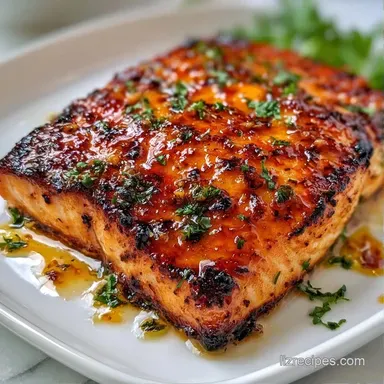
Pit Boss Grilled Fish with Brown Sugar
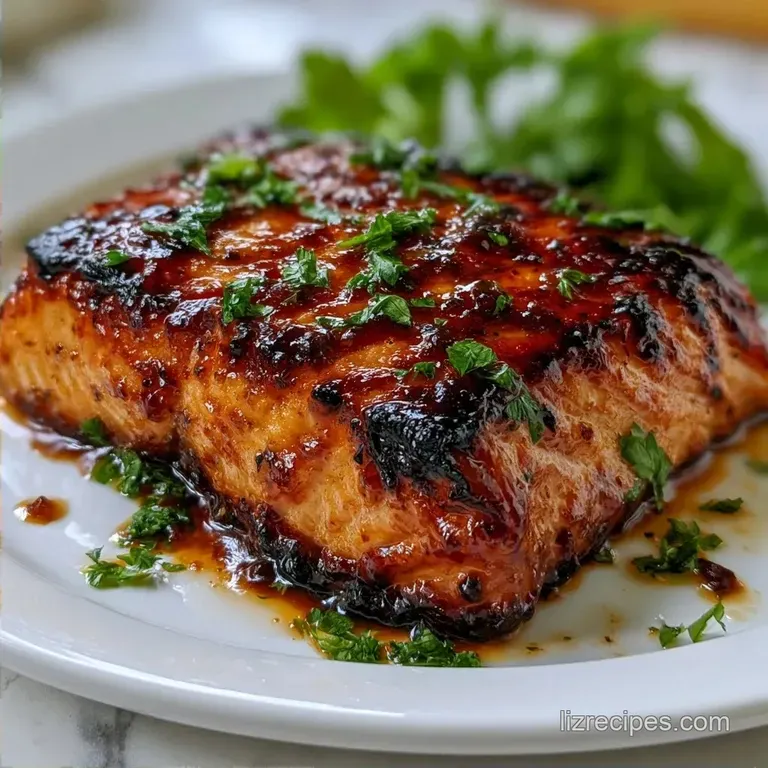
- Time: 10 min active + 45 min cooking (plus 15 min resting)
- Flavor/Texture Hook: Smoky, sweet crust with a flaky, buttery center
- Perfect for: Weekend family dinners or a low stress guest meal
The smell of burning fruitwood hits you first, then you see it: a beautiful piece of salmon stuck firmly to the grill grates. You try to lift it, and the middle just rips right out, leaving the best part of your expensive fillet behind. It's a nightmare I've lived through way too many times.
Most people treat a pellet grill like a standard gas grill, cranking the heat and hoping for the best. But salmon is delicate. If you go too hot, the proteins tighten up too fast, squeezing out the moisture and leaving you with a rubbery slab.
This method changes that. We're going low and slow to get that deep smoke flavor without overcooking the center. You'll get a mahogany colored exterior and a center that just flakes apart with a fork.
Why Pit Boss Grilled Fish Works
The Tacky Surface: Letting the fish sit for 15 minutes creates a "pellicle," which is just a sticky layer that helps the smoke cling to the meat instead of sliding off.
Low Heat Control: Cooking at 225°F prevents the albumin (that white protein gunk) from pushing out too aggressively, keeping the texture smooth.
Ingredient Deep Dive
I love using a brown sugar base because it's cheap and provides a great contrast to the smoke. If you're on a budget, store brand smoked paprika works just as well as the fancy stuff.
| Ingredient | What It Does | Best Swap |
|---|---|---|
| Salmon Filet | Main protein | Steelhead Trout (leaner, slightly milder) |
| Brown Sugar | Caramelizes for crust | Maple syrup (adds a woody sweetness) |
| Smoked Paprika | Adds earthy, red color | Ancho chili powder (adds a mild heat) |
| Olive Oil | Prevents sticking | Avocado oil (better for high heat) |
Right then, let's look at the full list. I've kept this simple so you don't have to run to three different stores.
- 2 lb salmon filet, skin on Why this? Skin protects the meat from the direct heat.
- 2 tbsp olive oil
- 1 tbsp lemon juice
- 2 tbsp brown sugar Why this? Creates the mahogany color.
- 1 tbsp smoked paprika
- 1 tsp kosher salt
- 1 tsp black pepper
- 1/2 tsp garlic powder
If you don't have brown sugar, you can use honey, though it will be more sticky. Coconut sugar also works if you're avoiding refined sugar.
Cooking Specs
When you're using a pellet grill, consistency is everything. Don't guess the temperature. Use a probe.
| Goal | What to change |
|---|---|
| More smoke | Use a "smoke" setting or lower temp |
| Faster cook | Increase temp to 300°F |
| Crispier skin | Finish on a hot cast iron pan |
Keep an eye on the wind. If it's a gusty day, your pellet grill might fluctuate, so check your internal temp more often.
Essential Gear
You don't need a professional kitchen, but a few things make this effortless. A digital meat thermometer is non negotiable. If you're guessing the doneness of fish, you're probably overcooking it.
I usually use a Pit Boss Pro series, but any pellet grill works. If you have a cedar plank, soak it in water for at least 2 hours first. It adds a distinct forest aroma and keeps the fish off the metal.
For the rub, a small mixing bowl and a brush are all you need. Don't bother with a fancy spice grinder; the pre ground stuff is fine for this recipe.
Key Steps
Phase 1: The Prep and Prime
- Pat the salmon completely dry with paper towels. Note: Any surface moisture will steam the fish instead of searing it.
- Brush the flesh side of the fillet with olive oil and lemon juice.
- Apply the rub (brown sugar, smoked paprika, salt, pepper, and garlic powder) evenly, pressing it gently into the meat.
- Let the fish sit at room temperature for 15 minutes. Watch for the surface to become slightly tacky.
Phase 2: The Low and Slow Smoke
- Preheat the Pit Boss pellet grill to 225°F (107°C) using fruitwood or a competition blend.
- Place the salmon skin side down directly on the grates or on a soaked cedar plank.
- Grill for 30–45 minutes until the edges just begin to turn opaque.
Phase 3: The Precision Finish
- Insert a digital thermometer into the thickest part. Remove the fish immediately when it hits 135°F (57°C).
- Let the fish rest on a warm platter for 5–10 minutes. Note: The temp will rise to 145°F while resting.
Chef's Tip: If you want a bit more zing, squeeze fresh lemon over the fish the second it comes off the grill. The heat helps the citrus penetrate the crust.
What Can Go Wrong
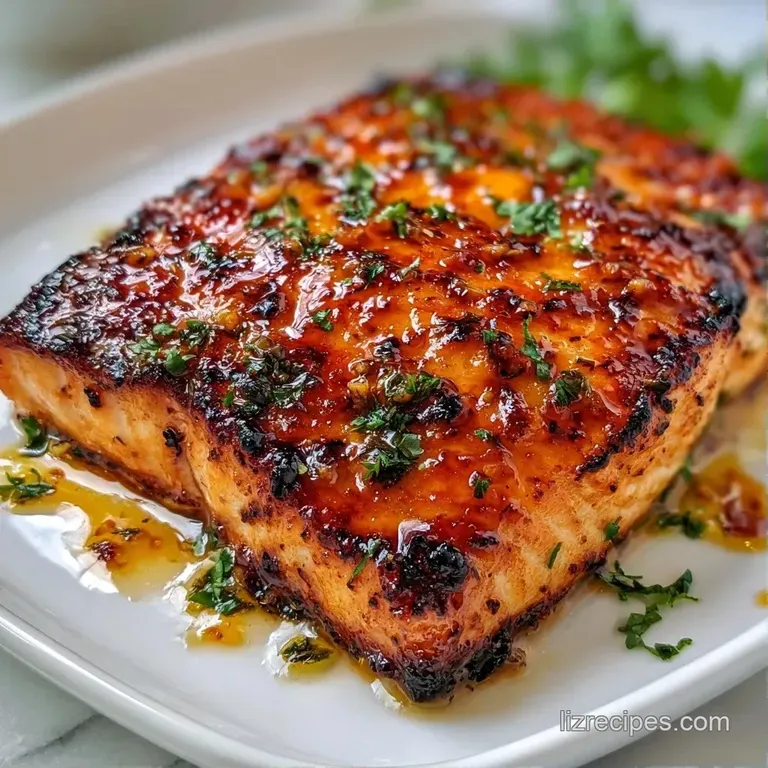
One thing that drives people crazy is the "white stuff" on top of the salmon. That's just albumin. It's harmless protein, but it doesn't look great. To minimize it, don't overcook the fish. Pulling it at 135°F is the key to keeping those proteins inside the muscle.
Another issue is the fish sticking. This usually happens if the grates weren't oiled or you tried to flip the fish too early. Trust the process and leave it alone until it's done.
For those who find the smoke too mild, check your pellet choice. Alder or cherry provide a more noticeable punch than hickory for seafood. If you're looking for something different, my Salmon Filets for 4 recipe use a slightly different approach to flavor.
| Problem | Fix |
|---|---|
| Fish sticking to grates | Oil the grates or use a cedar plank |
| Too much white albumin | Pull the fish 5 degrees earlier |
| Rub burning/charring | Lower the grill temp by 25°F |
Preservation Guidelines
Salmon is best eaten fresh, but leftovers are great for lunch. Store the fish in an airtight container in the fridge for up to 3 days.
To reheat without drying it out, don't use the microwave. Instead, put it in a 275°F oven for 5-8 minutes, or gently warm it in a pan with a teaspoon of butter.
For zero waste, don't throw away the skin if it peels off. You can crisp it up in a skillet and use it as a garnish. Any leftover rub can be stored in a jar for your next batch of seafood.
Presentation Tips
I like to serve this on a large platter with fresh arugula and sliced cucumbers. The bitterness of the greens cuts through the richness of the fats.
If you're feeling fancy, make some quick pickled red onions. The bright pink color looks stunning against the mahogany crust of the Pit Boss Grilled Fish.
But honestly, the easiest way to serve this is in tacos. Just flake the cooked salmon into corn tortillas and top with a cabbage slaw. If you love that vibe, check out my grilled fish tacos recipe for some topping ideas.
Flavor Variations to Try
You can use this same temperature and timing for other seafood. It's a very forgiving method.
Pit Boss Grilled Shrimp
Shrimp cook much faster. Use the same rub, but only grill for 5-8 minutes. Use a grill basket so they don't fall through the grates.
White Fish Alternative
Halibut or Cod work well here. Since they are leaner than salmon, reduce the cook time by about 10 minutes. They can dry out quickly, so be aggressive with the olive oil.
The Honey Maple Glaze
Swap the brown sugar for 2 tablespoons of maple syrup. This gives a more liquid glaze that creates a glossy, rich finish.
Keto Friendly Rub
Omit the brown sugar and add 1/2 tsp of onion powder and a pinch of cayenne. You won't get the same dark crust, but the smoky flavor remains.
Common Misconceptions
You'll often hear that searing fish "seals in the juices." That's not actually true. Moisture loss happens regardless of how you start the cook. Searing is all about flavor and texture, not about creating a waterproof barrier.
Some people think you have to cook salmon until it's opaque all the way through. In reality, a slightly translucent center is where the best texture lives. Overcooking is the fastest way to ruin a piece of fish.
Adjusting the Batch Size
If you're cooking for a crowd, don't overcrowd the grill. Leave at least two inches between fillets so the smoke can circulate.
For larger batches, I recommend working in two rounds if your grill is small. If you double the recipe, don't double the salt just increase it by about 1.5x. Spices can become overwhelming when scaled linearly.
When cooking a massive side of salmon (4-5 lbs), lower the temp to 200°F and extend the time. This ensures the center cooks through before the exterior gets too dark.
Recipe FAQs
What temperature should the Pit Boss be set to for salmon?
Set your grill to 225°F. This low heat prevents the proteins from tightening too quickly and keeps the meat tender.
How long does salmon typically take to smoke on a pellet grill?
Grill for 30 to 45 minutes. Remove the fish as soon as the internal temperature hits 135°F.
Is it true that you must use a cedar plank to get a smoky flavor?
Actually, no. The fruitwood pellets provide ample smoke flavor even when the fish is placed directly on the grates.
How to prepare the fish for better smoke adhesion?
Let the seasoned fillet sit at room temperature for 15 minutes. This develops a tacky pellicle that helps smoke cling to the surface.
Can a Pit Boss be used for smoking fish?
Yes, it is an excellent tool for this. The precise temperature control allows you to maintain the low heat necessary for delicate fillets.
Which fish varieties are best for this pellet grill method?
Salmon is the top choice due to its fat content. If you want to try something different, our smoked sea bass uses a similar low-temp approach.
Do I need to brine the fillet before applying the rub?
No brining is required for this recipe. The brown sugar and salt in the rub provide enough seasoning and moisture retention.
Does high heat actually make the fish juicier?
This one's false: high heat often squeezes out moisture and creates a rubbery texture. Low and slow cooking preserves the natural oils.
Pit Boss Grilled Fish