Best Chocolate Chip Cookies: Chewy and Golden
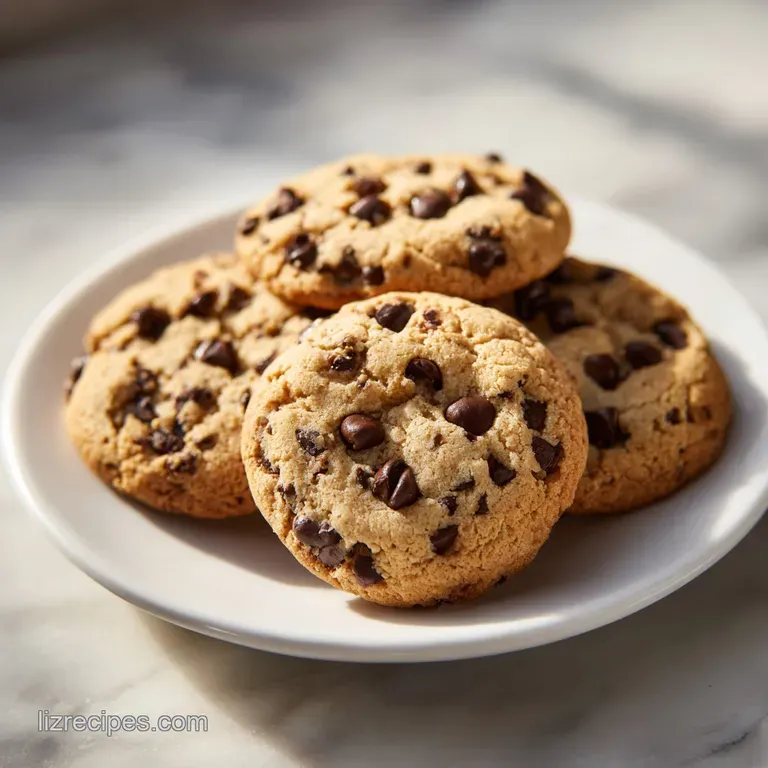
- Time:10 minutes active + 10 minutes baking = 20 minutes total
- Flavor/Texture Hook: Velvety centers with a crisp, golden edge and intense caramel notes
- Perfect for: Last minute school treats, rainy afternoon baking, or beginner bakers
- Secrets to the Best Chocolate Chip Cookies
- Why the Texture Stays Chewy
- Important Times and Nutrition Data
- Selecting Your Cookie Dough Elements
- Simple Tools for Fast Baking
- Step-by-Step Guide for Best Results
- Avoiding Problems and Baking Mistakes
- Flavor Variations and Healthy Swaps
- Managing Leftovers and Dough Storage
- Serving Your Warm Homemade Treats
- Debunking Common Kitchen Myths
- Recipe FAQs
- 📝 Recipe Card
Secrets to the Best Chocolate Chip Cookies
Back in the 1930s, Ruth Wakefield was running the Toll House Inn in Whitman, Massachusetts. Most people think she "accidentally" invented the chocolate chip cookie because she ran out of baker's chocolate, but that's a bit of a myth. Ruth was a brilliant, trained dietitian.
She knew exactly what she was doing when she chopped up a bar of semi sweet chocolate and added it to her dough. She wanted something that would hold its shape, creating those distinct, molten pockets of cocoa we all look for today.
This isn't just a snack; it's a piece of American culinary history that found its way into every family kitchen across the globe.
I remember my first time trying to make these. I was about eight years old, standing on a step stool, and I accidentally used too much flour because I was scooping it straight from the bag. The cookies ended up looking like little hockey pucks hard, dry, and totally sad.
It took me years to realize that the secret isn't just the ingredients, but how you treat them. We're skipping the fancy stand mixer today. We're going back to basics with a whisk and a spatula because honestly, you don't need a hundred dollars' worth of equipment to get a cookie that makes your kitchen smell like a dream.
When you whisk that melted butter and dark brown sugar together, the aroma is incredible. It’s like toasted toffee and vanilla hitting you all at once. We are aiming for a specific texture here: a center that is almost dough like in its softness, surrounded by a ring that provides a satisfying shatter when you bite into it.
Using melted butter is the shortcut that actually makes the cookie better, giving it a dense, fudgy quality that creaming room temperature butter just can't match.
Why the Texture Stays Chewy
Understanding the "why" behind your bake helps you avoid those crumbly, dry results. It’s not about being a scientist; it’s about knowing how your ingredients behave in a hot oven.
- Melted Fat Dynamics: Using liquid butter instead of creamed butter limits air incorporation, which prevents the cookies from becoming "cakey" and keeps them dense and fudgy.
- Sugar Moisture Link: Dark brown sugar contains more molasses than light brown or white sugar, which attracts moisture and helps the cookie stay soft for days.
- Yolk Emulsification: Adding an extra egg yolk introduces more lecithin and fat, providing a velvety mouthfeel and a chewy structure that doesn't go brittle.
- Starch Gelatinization: High heat at 375°F (190°C) sets the edges quickly, trapping the moisture in the center before it can evaporate, ensuring a soft middle.
Cook Method Comparison
| Method | Time | Texture | Best For |
|---|---|---|---|
| Direct Bake (This Recipe) | 20 minutes | Fudgy and soft | Immediate cravings |
| 24 Hour Fridge Chill | 24 hours | Deeply caramelized | Special occasions |
| Frozen Dough Pucks | 25 minutes | Thick and puffy | One off snacks |
Choosing the right method depends on your schedule. While the fridge chill method is famous for flavor, this 20 minute version is designed for the reality of a Tuesday night when the kids are hungry and you need a win.
The melted butter mimics some of the hydration benefits of a long chill, giving you that "aged" flavor profile without the wait.
Ingredient Deep Dive
| Ingredient | Science Role | Pro Secret |
|---|---|---|
| Melted Butter | Fat and Flavor | Let it cool slightly so it doesn't scramble the eggs. |
| Dark Brown Sugar | Humectant | Pack it tight in the cup to ensure the molasses ratio is high. |
| Baking Soda | Leavening | Always sift it to avoid bitter, metallic clumps in the bite. |
| All Purpose Flour | Structure | Weigh it (280g) to prevent the "hockey puck" effect. |
Each component works in harmony to balance the sweetness of the sugar with the richness of the dairy. If you've ever had a cookie that felt too sweet, it’s often because the salt was skipped never skip the sea salt.
Important Times and Nutrition Data
When you're planning your afternoon, transparency about time is everything. You don't want to start a recipe only to find out it needs three hours in the fridge. This recipe is a "fast track" classic, meaning we move from mixing bowl to cooling rack in less than half an hour.
The nutrition facts below are based on the standard yield of 24 cookies. While we all know cookies are a treat, it's helpful to see the breakdown, especially if you're managing dietary needs for a family.
- Prep Time:10 minutes
- Cook Time:10 minutes
- Total Time:20 minutes
- Yield: 24 cookies
The calories mainly come from the high-quality fats and sugars that provide that iconic texture. One cookie provides 232 kcal, with 12.4g of fat and about 20.1g of sugar. It’s a rich indulgence, which is why we use semi sweet chips to provide a bit of cocoa bitterness to cut through the sweetness.
Selecting Your Cookie Dough Elements
For the best chocolate chip cookies, the quality of your vanilla and chocolate makes a massive difference. You want ingredients that can stand up to the high heat of the oven without losing their character.
- 1 cup (227g) unsalted butter: Melted and slightly cooled. Why this? Provides the fat base for a fudgy, dense texture.
- 1 cup (200g) dark brown sugar: Packed firmly. Why this? Adds moisture and a deep caramel flavor.
- 0.5 cup (100g) granulated white sugar: Standard white sugar. Why this? Helps create those crisp, golden brown edges.
- 2 tsp pure vanilla extract: Avoid the imitation stuff if possible. Why this? Rounds out the sweetness with floral notes.
- 1 large egg: Room temperature. Why this? Binds the dough together for structure.
- 1 large egg yolk: Just the yolk. Why this? The secret to an ultra chewy, rich center.
- 2.25 cups (280g) all purpose flour: Spooned and leveled. Why this? Provides the structural framework for the cookie.
- 1 tsp baking soda: Fresh is best. Why this? Reacts with the brown sugar to help the cookies rise.
- 0.5 tsp fine sea salt: Not coarse salt. Why this? Enhances the chocolate and balances the sugar.
- 2 cups (340g) semi sweet chocolate chips: high-quality. Why this? Provides the classic "chip" experience in every bite.
Substitution Table
| Original Ingredient | Substitute | Why It Works |
|---|---|---|
| Dark Brown Sugar | Light Brown Sugar | Same sweetness, but the flavor will be less "molassy." |
| Semi Sweet Chips | Milk Chocolate Chips | Sweeter profile; kids often prefer this milder taste. |
| Fine Sea Salt | Table Salt | Same salinity, but use slightly less if the grains are very fine. |
Using a brown butter version is another fantastic way to swap flavors if you have an extra five minutes to spare at the stove. It adds a nutty, toasted dimension that elevates the dough even further.
Simple Tools for Fast Baking
You don't need a kitchen full of gadgets for this. In fact, using too many tools often leads to over mixing, which ruins the texture. I prefer a "minimalist" approach to keep the cleanup fast and the process stress free.
First, you'll need one large glass or ceramic mixing bowl. You want something with enough room to whisk vigorously without flour flying everywhere. A sturdy whisk is essential for that first step of combining the butter and sugars you're looking to emulsify them until they look like liquid caramel.
Next,, grab a flexible silicone spatula. This is your best friend when it comes to folding in the flour. Unlike a spoon, a spatula lets you scrape the bottom of the bowl efficiently, ensuring no pockets of dry flour are left behind. Finally, ensure you have two large baking sheets and some parchment paper.
This prevents sticking and makes the "rest time" on the pan much easier to manage.
step-by-step Guide for Best Results
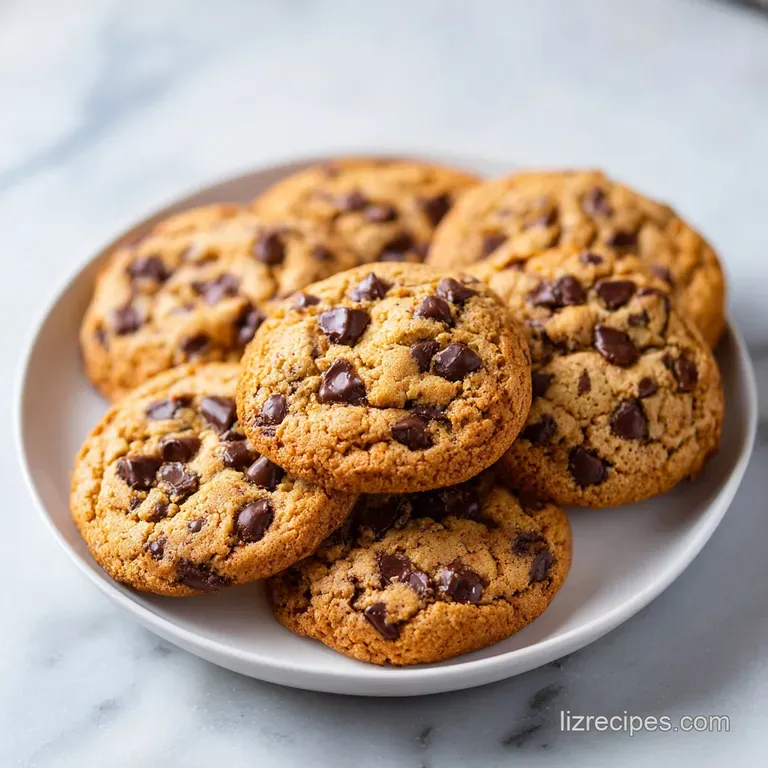
- In a large bowl, whisk together the melted butter, dark brown sugar, and granulated sugar vigorously for about 1 minute until the mixture looks glossy. Note: This helps the sugar start to dissolve into the fat.
- Add the egg, egg yolk, and vanilla extract. Whisk until the batter is smooth and slightly lightened in color.
- Sift the all purpose flour, baking soda, and fine sea salt directly into the wet ingredients.
- Use a silicone spatula to fold the mixture until just a few streaks of flour remain. Note: Stop early to keep the cookies tender.
- Fold in the chocolate chips until they are evenly distributed throughout the dough.
- Preheat your oven to 375°F (190°C) and line your sheets with parchment paper.
- Scoop rounded tablespoons of dough onto the sheets, spacing them 2 inches apart.
- Bake for 9–11 minutes until the edges are golden and set but the centers look pale.
- Allow cookies to rest on the sheet for 5 minutes until they firm up before moving them.
Avoiding Problems and Baking Mistakes
The most common issue I hear about is the "pancake" cookie where everything just melts into one giant, thin sheet. This usually happens if your butter was too hot when you added the sugars or if you didn't measure the flour correctly.
Causes of Excessive Cookie Spread
If your cookies are spreading too much, it’s often a temperature issue. If the dough feels greasy or very warm to the touch, pop the whole bowl in the fridge for just 10 minutes. This solidifies the fat slightly so it doesn't melt the second it hits the oven.
Another culprit is "over greasing" your pans; use parchment paper instead of buttering the sheet.
| Problem | Root Cause | Solution |
|---|---|---|
| Flat/Thin Cookies | Butter was too hot | Let melted butter cool to room temp before mixing. |
| Dry/Crumbly | Too much flour | Use a scale or the "spoon and level" method. |
| Burnt Bottoms | Dark baking sheets | Reduce oven temp by 25°F or use a silicone mat. |
Common Mistakes Checklist
- ✓ Measure flour by weight or spoon and level (never scoop with the cup).
- ✓ Ensure the egg is room temperature to keep the butter from clumping.
- ✓ Stop mixing the moment the last white streak of flour disappears.
- ✓ Pull cookies out when the center still looks "wet" residual heat finishes them.
- ✓ Never place raw dough on a hot baking sheet from a previous batch.
Flavor Variations and Healthy Swaps
If you want to change things up, this dough is a perfect "base" for experimentation. You can easily pivot this into different flavor profiles without ruining the chemistry of the bake.
- Nutty Depth: Add 0.5 cup of chopped toasted walnuts or pecans during the chocolate chip step.
- Salted Caramel: Sprinkle a tiny pinch of flaky Maldon salt on top of the cookies the second they come out of the oven.
- Double Chocolate: Replace 0.25 cups of the flour with high-quality cocoa powder for a brownie like experience.
Fresh vs. Shortcut Comparison
| Feature | Freshly Baked | Shortcut (Pre made Dough) |
|---|---|---|
| Aroma | Fills the whole house with vanilla | Muted, artificial scent |
| Texture | Shattering edges, velvety center | Uniformly soft or crunchy |
| Control | You pick the chocolate quality | High preservatives and oils |
Ingredient Shortcuts
- If you want a deeper flavor but are in a hurry, add a teaspoon of instant espresso powder to the dry ingredients. It makes the chocolate taste ten times more intense.
- If you want perfectly round cookies, use a round glass or cookie cutter to "scoot" the cookies into a circle immediately after they exit the oven.
- If you want a softer cookie tomorrow, store them in a container with a single slice of white bread; the cookies will absorb the moisture from the bread.
Managing Leftovers and Dough Storage
Storage is where many people lose that "day one" magic. To keep your cookies from going stale, you need to protect them from air. Once they are completely cool and I mean completely, or they'll get soggy place them in an airtight container.
- Fridge: Honestly, don't put them in the fridge. It actually dries out the starch and makes them go stale faster. Keep them at room temperature for up to 3 days.
- Freezer: These freeze beautifully. You can freeze the baked cookies for up to 2 months. Just wrap them individually in plastic wrap and then put them in a freezer bag.
- Zero Waste Tip: If you have cookies that have gone hard, don't throw them away. Crush them up and use them as a topping for vanilla ice cream, or pulse them in a blender to make a crust for a cheesecake. Even the "fails" are useful!
Serving Your Warm Homemade Treats
Presentation doesn't have to be fancy. For a family night, I love serving these on a big wooden board right in the middle of the table. There is something so communal about everyone reaching for a warm cookie at the same time.
If you're hosting, try serving them in a small basket lined with a clean linen napkin. The napkin helps trap the last bit of heat, keeping them soft for the duration of the meal. Pairing is also key while cold milk is the classic, a bitter black coffee or a strong Earl Grey tea provides a beautiful contrast to the rich, dark brown sugar notes in the dough.
The best part about the best chocolate chip cookies is the way the chocolate chips look when they are still slightly glossy and melty. If yours have cooled too much, a 5 second zap in the microwave will bring that "freshly baked" texture back to life, making the chocolate velvety and the dough supple once again.
Debunking Common Kitchen Myths
One of the biggest myths is that you must chill cookie dough for 24 hours to get a good result. While chilling does deepen the flavor, this melted butter technique provides enough hydration to create a fantastic cookie in under 20 minutes.
You don't need to plan your life a day in advance just to enjoy a treat.
Another misconception is that more baking soda equals a fluffier cookie. In reality, too much baking soda will give you a soapy, metallic aftertaste and cause the cookies to brown too quickly. Stick to the measured teaspoon for the perfect balance of lift and flavor.
Finally,, don't believe that "more chips is always better." If you overdo the chocolate, there won't be enough dough to hold the cookie together, and it will just crumble into a pile of melted cocoa. Two cups is the "golden ratio" for a reason!
Recipe FAQs
What is the secret to the best cookies?
Whisking the melted butter and sugars for a full minute is the secret. This creates a glossy emulsion that helps the sugar dissolve, ensuring a perfect texture throughout the dough.
Is it true Snoop Dogg's cookie recipe is the only way to get a chewy texture?
No, this is a common misconception. Achieving a chewy texture comes down to technique, specifically pulling the cookies out of the 375°F oven while the centers still look slightly pale and soft.
Who makes the best chocolate chip cookies in the world?
You can make the best ones in your own kitchen using this recipe. By utilizing the provided ratios of dark brown sugar to granulated sugar and precisely timing the bake, you achieve a professional quality result at home.
What makes a cookie chewy vs. crispy?
The moisture level and bake time determine the texture. This recipe balances ingredients like dark brown sugar to maintain moisture, while baking for 9 11 minutes ensures the edges turn golden and crispy while the center remains chewy.
How to avoid overmixing the dough?
Switch to a silicone spatula once you add the flour and stop immediately when only a few streaks remain. Overworking the flour after the baking soda is added can lead to a tougher, cake like cookie rather than a chewy one.
How to ensure cookies have that perfect soft center?
Pull the baking sheet from the oven while the centers still look slightly wet. Letting them rest for 5 minutes on the hot pan uses residual heat to finish the baking process without drying out the interior.
Can I use light brown sugar if I run out of dark brown sugar?
Yes, you can use light brown sugar as a direct substitute. While the cookie will remain perfectly sweet, the final flavor profile will be slightly less rich and molasses forward than the original.
Classic Chewy Chocolate Chip Cookies
Ingredients:
Instructions:
Nutrition Facts:
| Calories | 232 kcal |
|---|---|
| Protein | 2.2 g |
| Fat | 12.4 g |
| Carbs | 29.8 g |
| Fiber | 1 g |
| Sugar | 20.1 g |
| Sodium | 115 mg |
